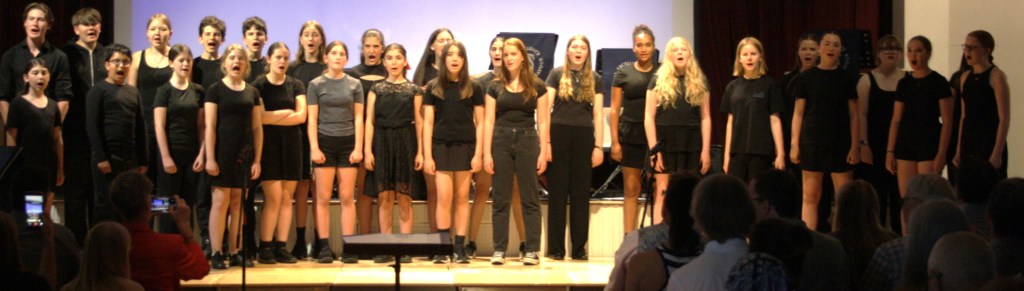
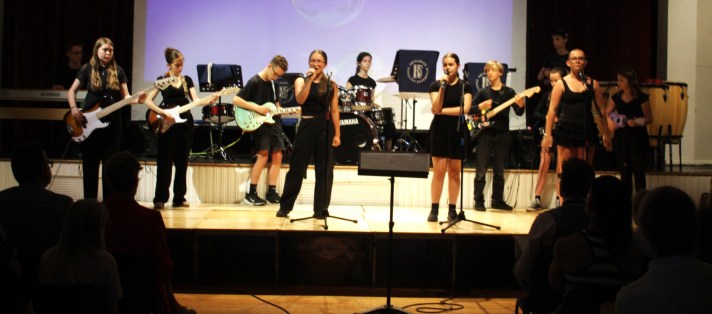
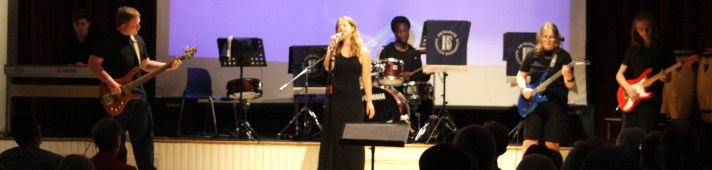
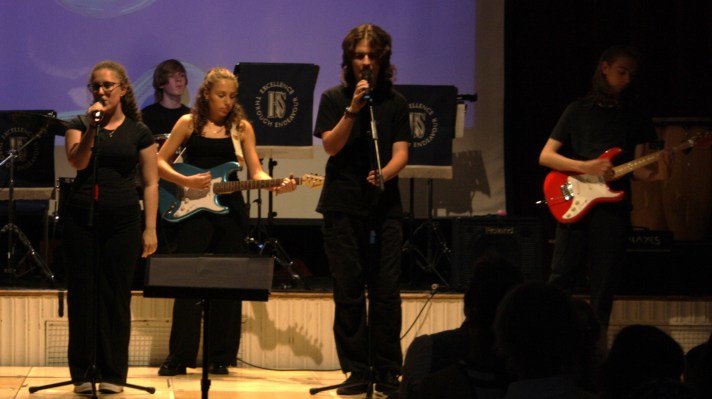
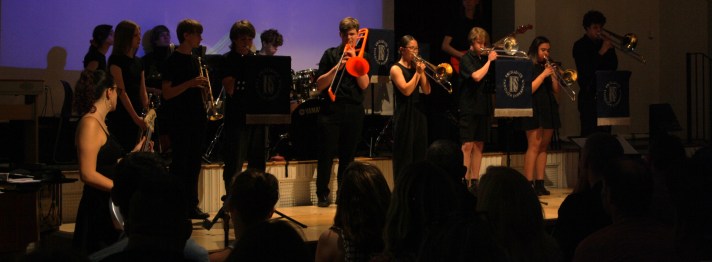
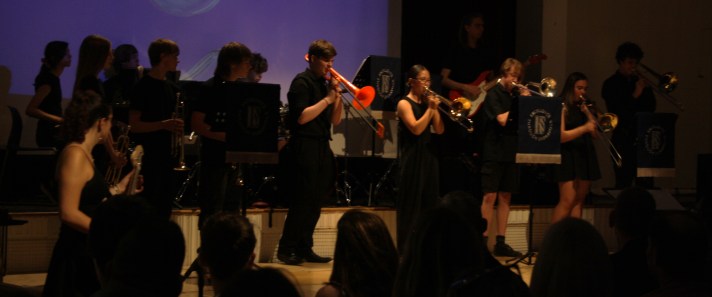
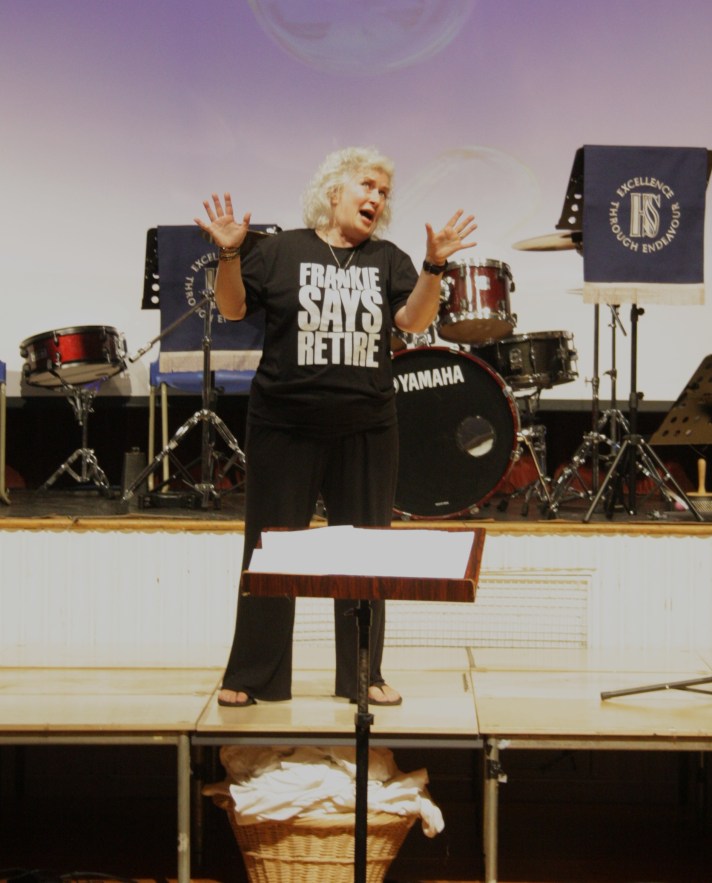
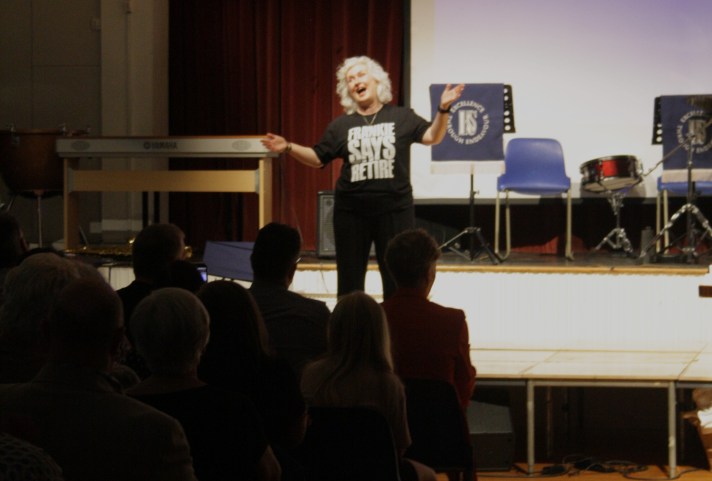
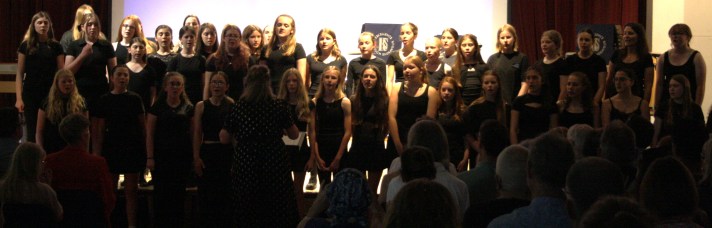
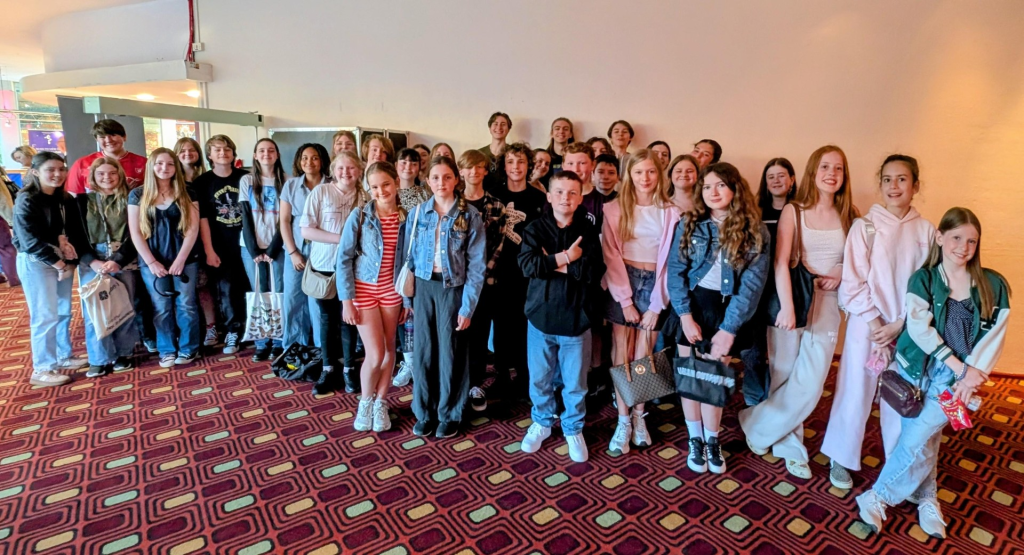
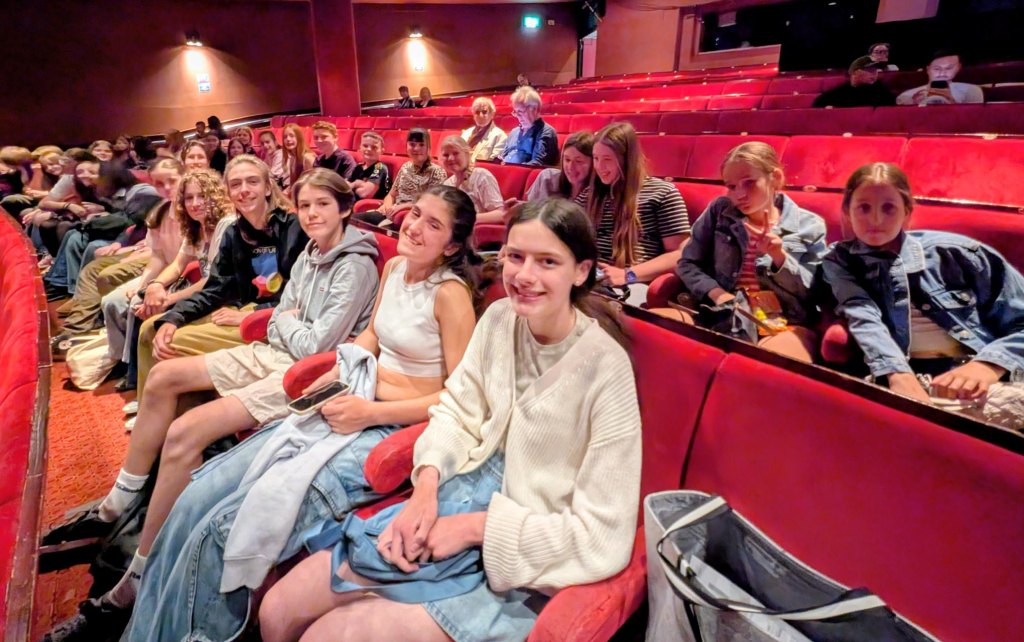
As we wrap up another incredible year, we want to say a HUGE thank you to our amazing students, parents, teachers, schools, staff, trustees, patrons, alumni, fundraisers and supporters. 💙
Music really does change lives!🎵✨
Before we head off for summer break, here’s a sneak peek at what’s coming up this autumn… 👀🍂
🎺 Try a Musical Instrument Day 📅 Saturday 12 September 🔗 https://www.bymt.co.uk/try Open to children in Years 1-8. Come and try a range of instruments, meet our teachers and make some noise!
🎤 Try a Musical Group Already play an instrument or love to sing? Come and experience one of our ensembles, groups or choirs this September. 🔗 https://www.bymt.co.uk/try
🎼 BYMT Groups Return All BYMT groups restart in September. Check dates and important information on our website. 🔗 https://www.bymt.co.uk/music-groups/
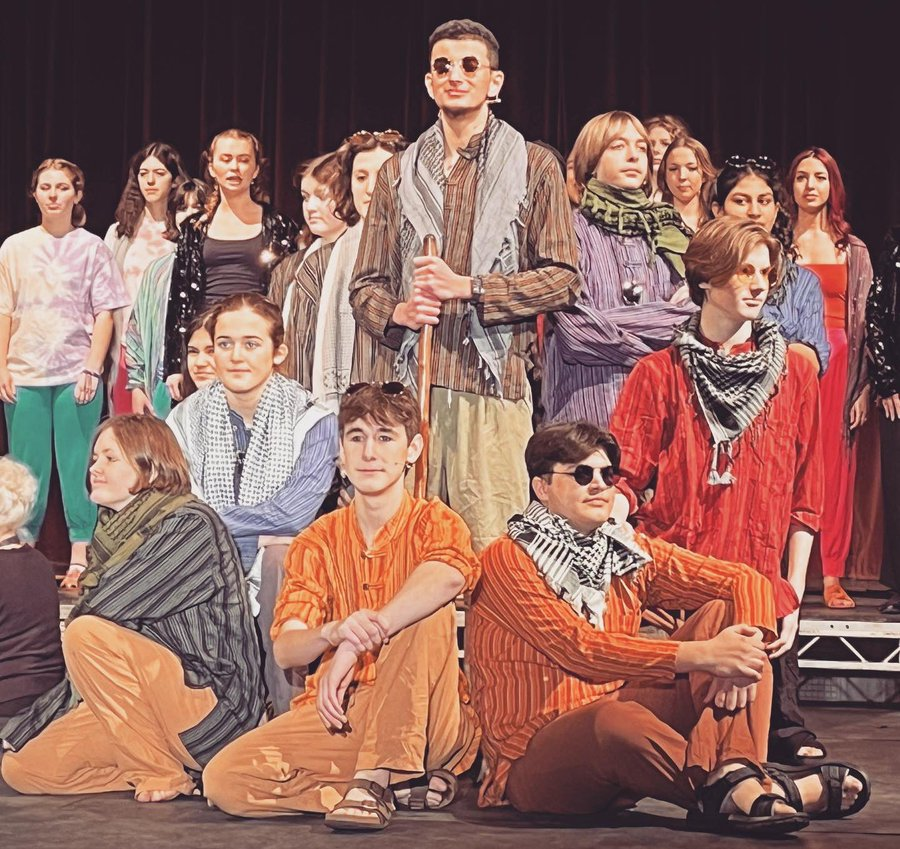
🌟 Musical Theatre Company Get ready for the fantastic feel-good musical KIPPS! Auditions continue next term & tickets will go on sale in September 🔗 https://www.bymt.co.uk/mt
💃 NEW! BYMT Dance Company Launches We’re excited to launch the BYMT Dance Company this autumn. Limited spaces available! 🔗 https://www.bymt.co.uk/dance
🍁 Autumn Sounds Join us this October half term for music-making fun! Whether you’re just starting your musical journey or already playing, we have courses for children in school years 3-8. 🔗 https://www.bymt.co.uk/sounds
🎭 Autumn Concerts Our autumn concert season is already taking shape. Book early to secure the best seats! 🔗 https://www.bymt.co.uk/events
☀️ Have a wonderful summer and we’ll see you all in September for another exciting year of music 🎶💙
Top music locations in London to visit over the summer
This series has some interesting sections relating to the writing and recording of the songs in Frozen 2. Find it on Disney Plus.
And finally …
So this is over and out from me! Thank you to those of you who have been blog regulars over the last few years. I’m looking forward to seeing you all when I’m next back at Hayes for MusicFest in the Autumn Term.
I’m going to sign off by leaving you with one of my favourite songs. Enjoy 🙂
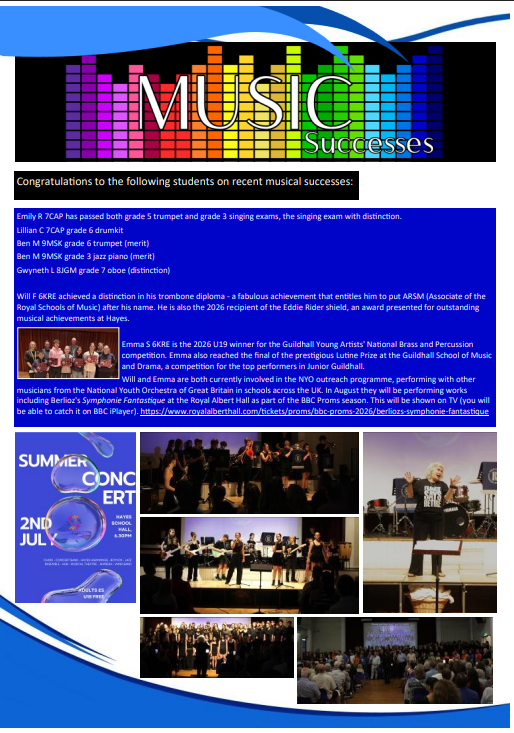
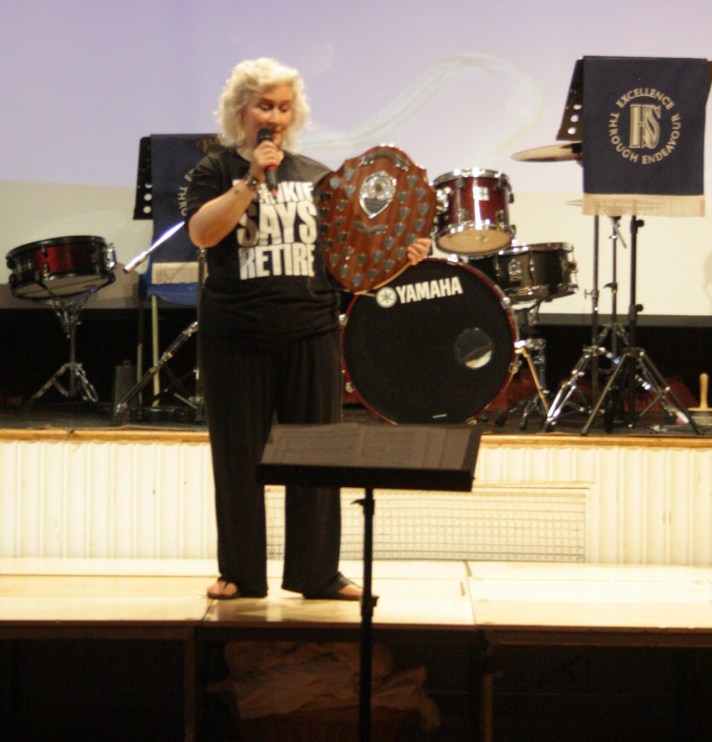
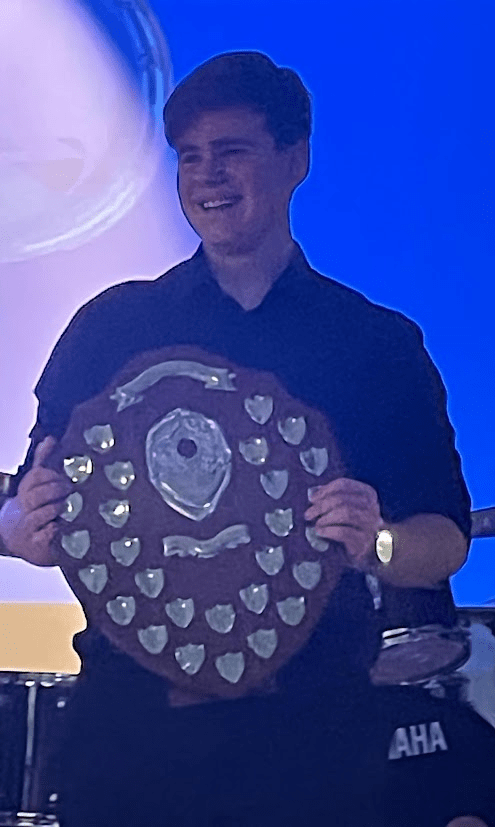
Congratulations to Will in year 12 for being awarded the Eddie Rider Shield
More congratulations …
Well done to Emma in year 13 who was awarded the Principal’s Award at the Junior Guildhall Prizegiving event.
HUB party – for all current and past members
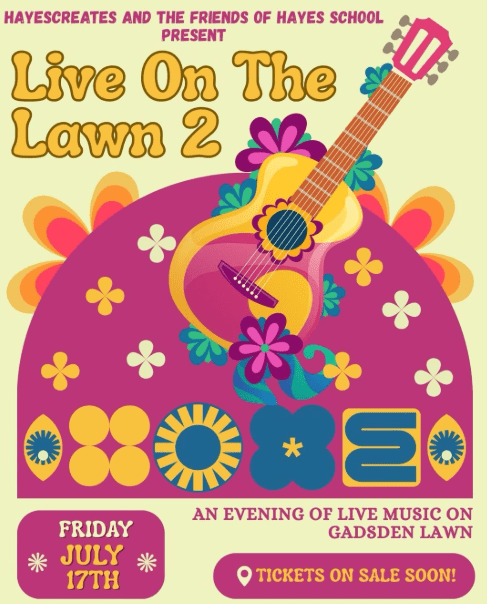
To mark the end of another successful year of ukulele playing, and to allow me to say goodbye before I leave Hayes, I will be holding a small celebration in my room during lunchtime on Friday 17th July. All current and past HUB members are welcome to attend. See you there 🙂
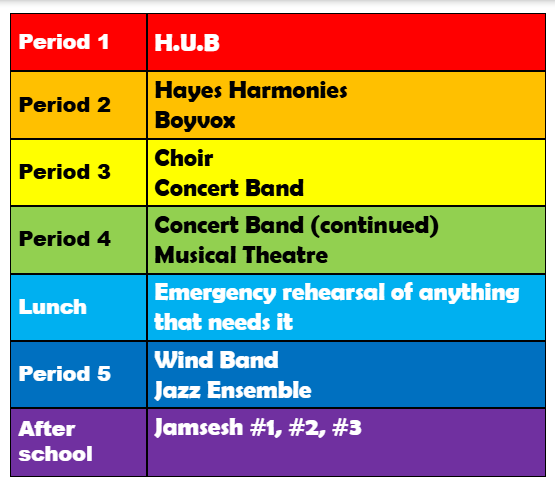
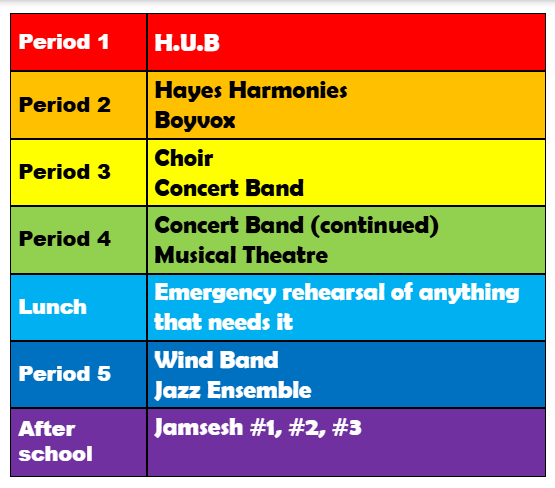
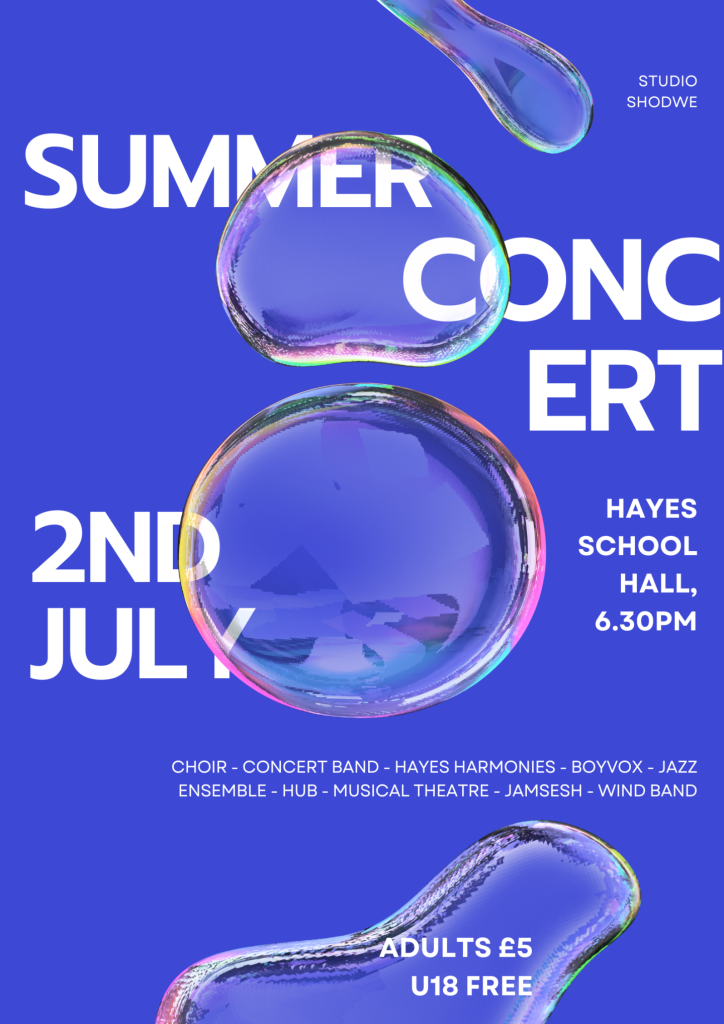
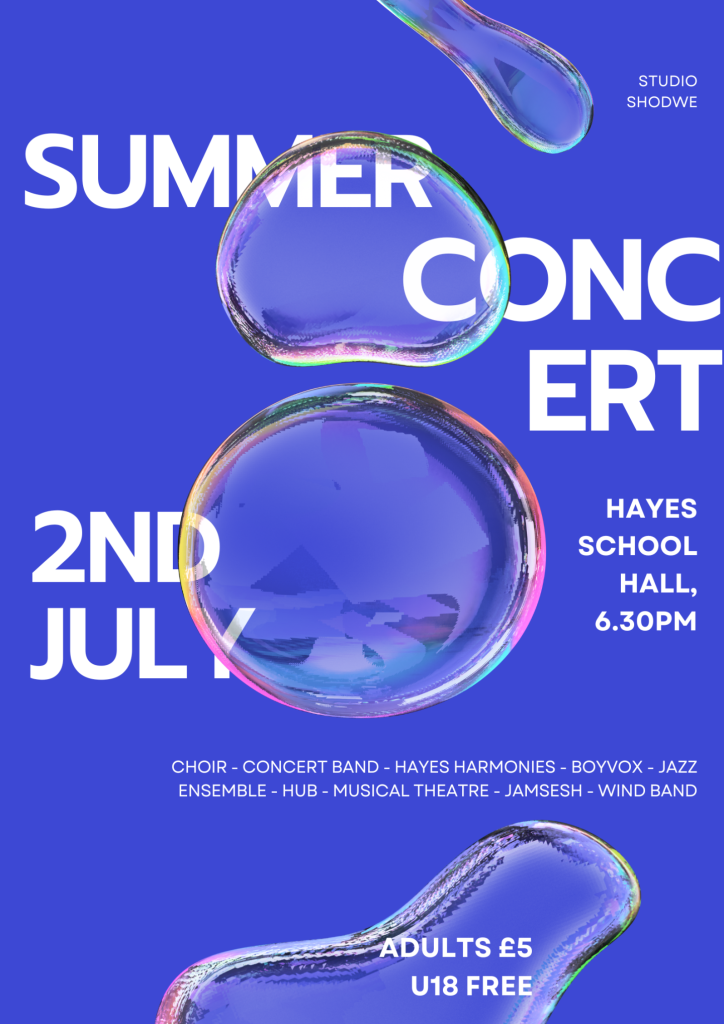
The rehearsal schedule for the day of the concert (Thursday 2nd July) is below. Please make a note of when you are needed and make sure you have your instrument/music in school with you on that day. All rehearsals will take place in the main hall.
Your teachers will know why you are absent from lessons that day, but it is your responsibility to find out what you missed and catch up.
Usual lunch rehearsals will take place up until the concert.
Here are some things you need to know about the concert itself:
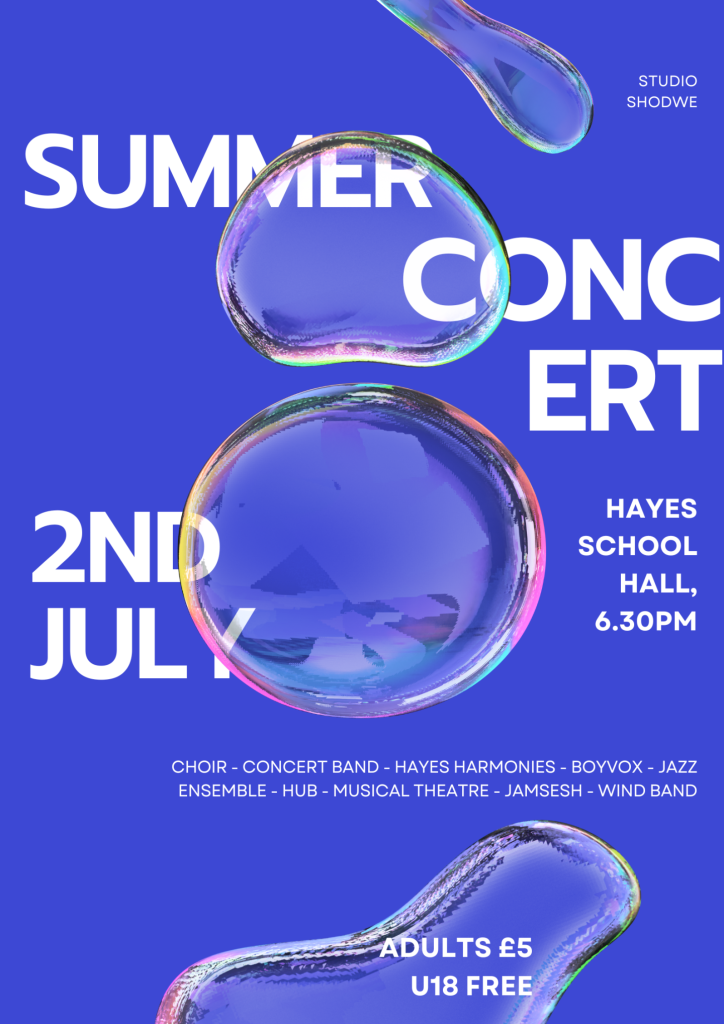
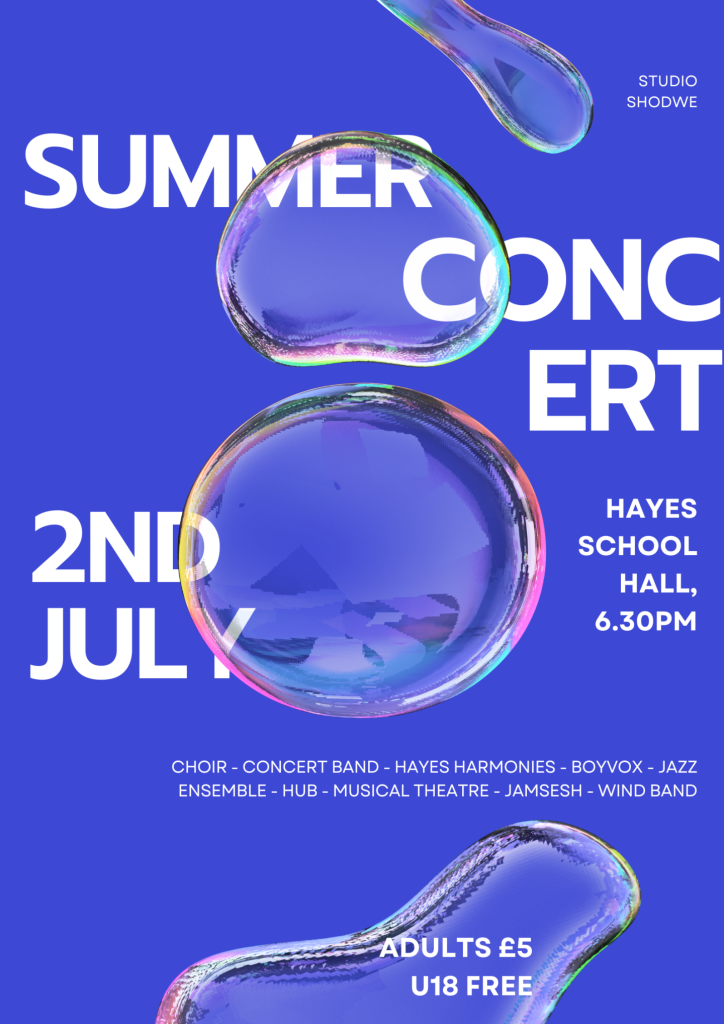
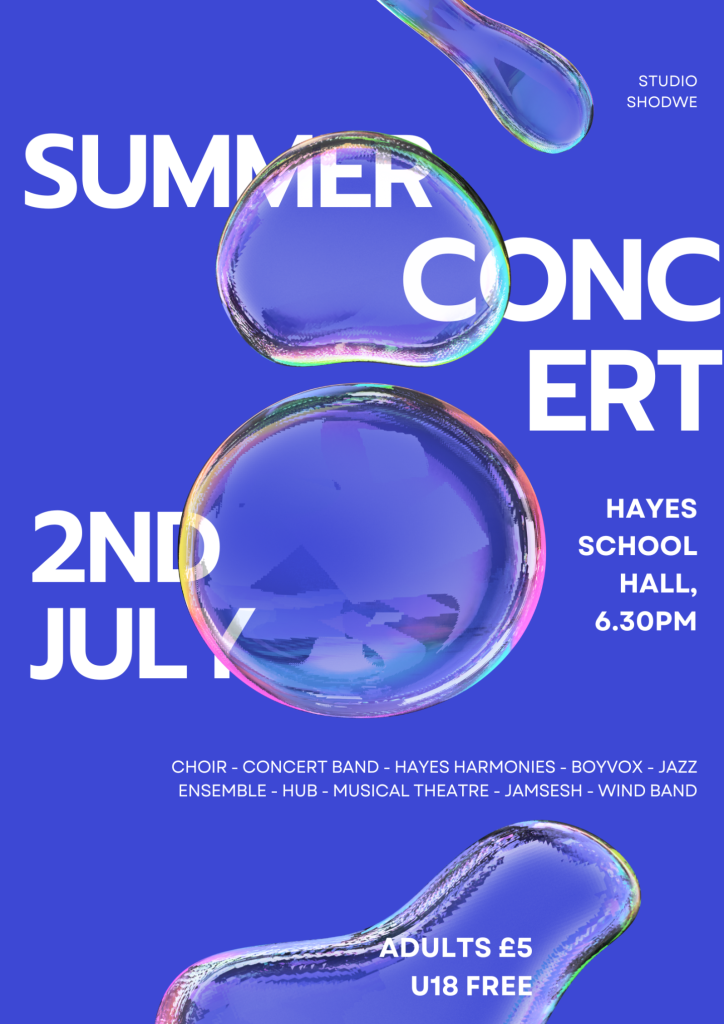
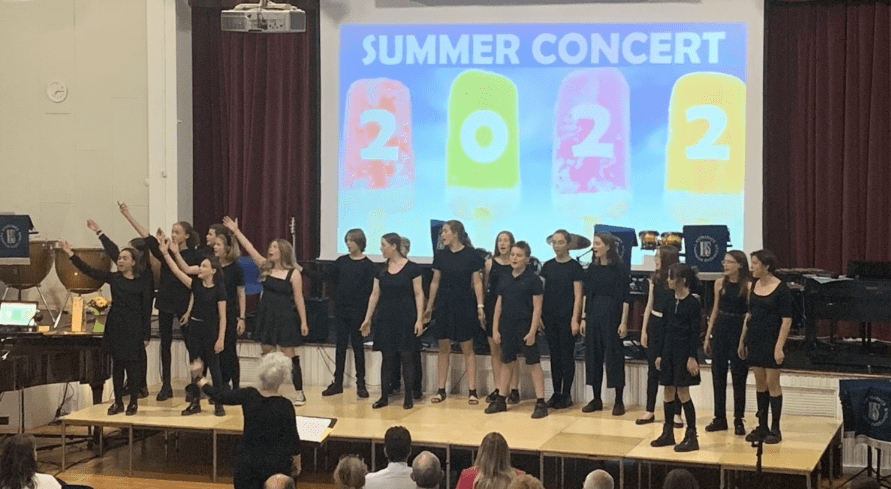
The concert is at 6.30pm in the Hall.
You need to wear all blackincluding footwear. Not blue, not brown, not patterned, and no big logos.
Tickets are £5 on the door for adults or pay via Ticket Source. Under 18s and senior citizens are free.
The music classrooms will be available for coats, instrument cases etc. Please arrive in enough time to warm up and get organised.
Any questions, please ask.
When the concert is in progress, you must not hang out in the classrooms or corridors. You need to be at the back of the Hall being a supportive, considerate, appreciative member of the audience who shows awareness of performance etiquette which includes not moving around or talking.
All music clubs are performing at this event so please make sure you are practising your part(s) at home.
The rehearsal schedule for the day of the concert (Thursday 2nd July) is below. Please make a note of when you are needed and make sure you have your instrument/music in school with you on that day.
Your teachers will know why you are absent from lessons that day, but it is your responsibility to find out what you missed and catch up.
Usual lunch rehearsals will take place up until the concert.
Here are some things you need to know about the concert itself:
The concert is at 6.30pm in the Hall.
You need to wear all blackincluding footwear. Not blue, not brown, not patterned, and no big logos.
Tickets are £5 on the door for adults or pay via Ticket Source. Under 18s and senior citizens are free.
The music classrooms will be available for coats, instrument cases etc. Please arrive in enough time to warm up and get organised.
Any questions, please ask.
When the concert is in progress, you must not hang out in the classrooms or corridors. You need to be at the back of the Hall being a supportive, considerate, appreciative member of the audience who shows awareness of performance etiquette which includes not moving around or talking.
All music clubs will start up again in September.
Good luck to Emma
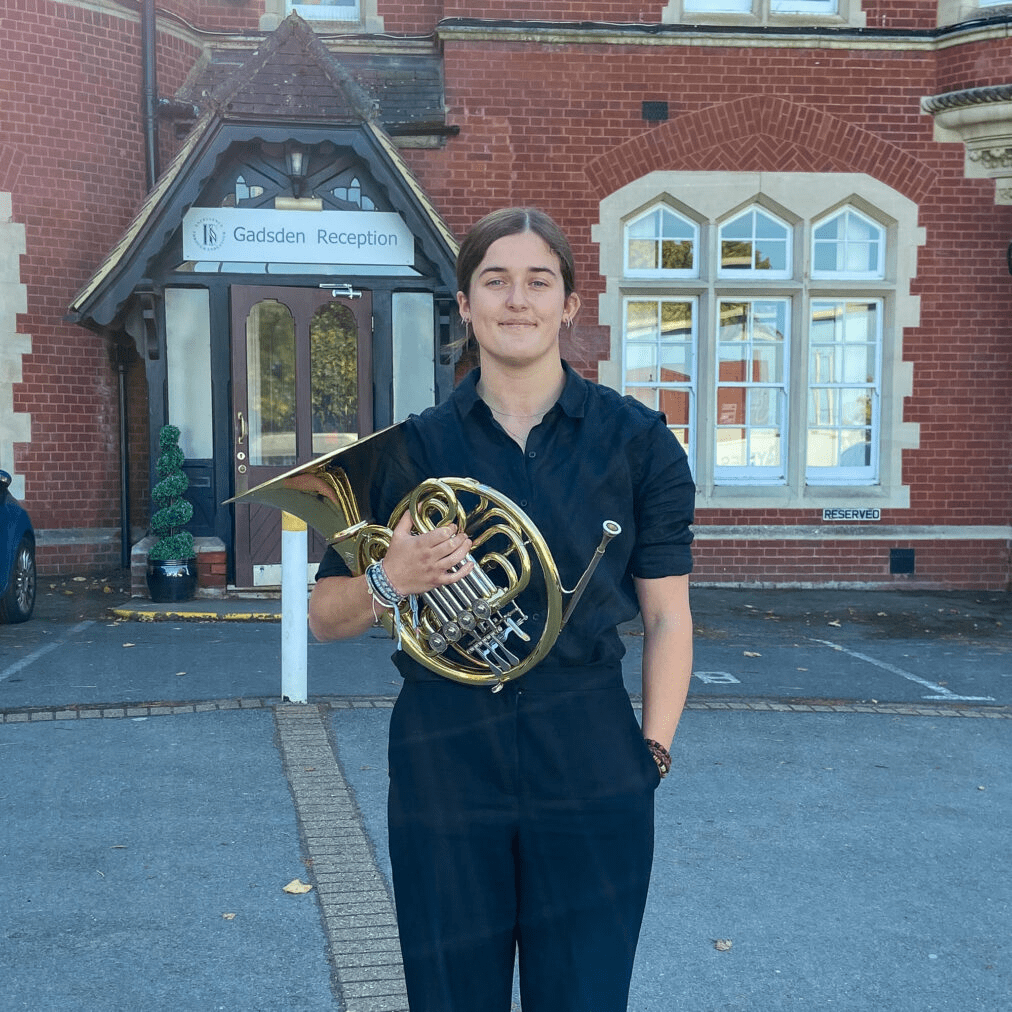
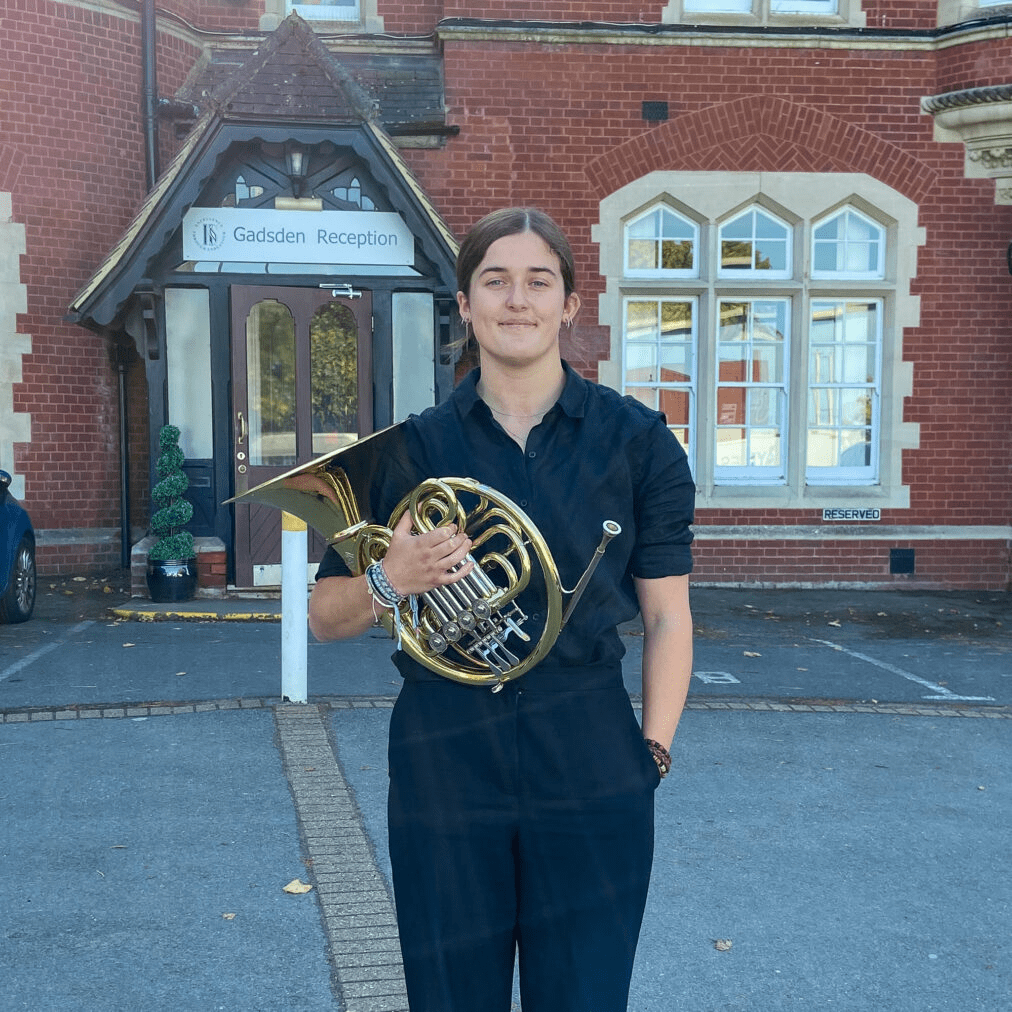
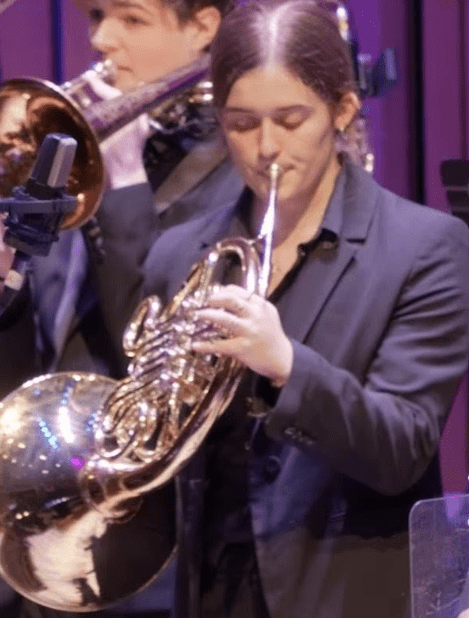
Emma in year 13 is competing in the The Lutine Prize final at Guildhall’s Milton Court Concert Hall tomorrow. She will be presenting a solo performance before an adjudicating panel. This annual prize celebrates exceptional musical achievement and offers audiences the chance to hear some of Junior Guildhall’s most accomplished young performers. We wish her the very best!
Youth music charity National Children’s Orchestras (NCO) has opened auditions for its Orchestral Weeks and Weekends in 2027. Young musicians aged 8 to 13 (as of 31 August 2026) are invited to submit their auditions for free online by 31 July.
Applicants can audition for the chance to participate in NCO’s residential Orchestral Weeks or its regional non-residential Orchestral Weekends in Orchestral Weekends in the North West, the Midlands, the South West or London. Applications are open to UK-based musicians playing an orchestral instrument at the appropriate level for each of NCO’s eight orchestras. More information about playing levels and the audition process can be found here.
Each year NCO brings together young players from across the country to ‘experience the joy, challenge and community of orchestral music’. Young musicians who play the Flute, Oboe, Clarinet, Bassoon, French Horn, Cornet, Trumpet, Trombone, Euphonium, Tuba, Percussion, Harp, Violin, Viola, Cello or Double Bass will work with tutors, conductors and guest artists to build on their musical skills and develop their confidence, teamwork and creativity. Participants also gain access to online resources and creative opportunities.
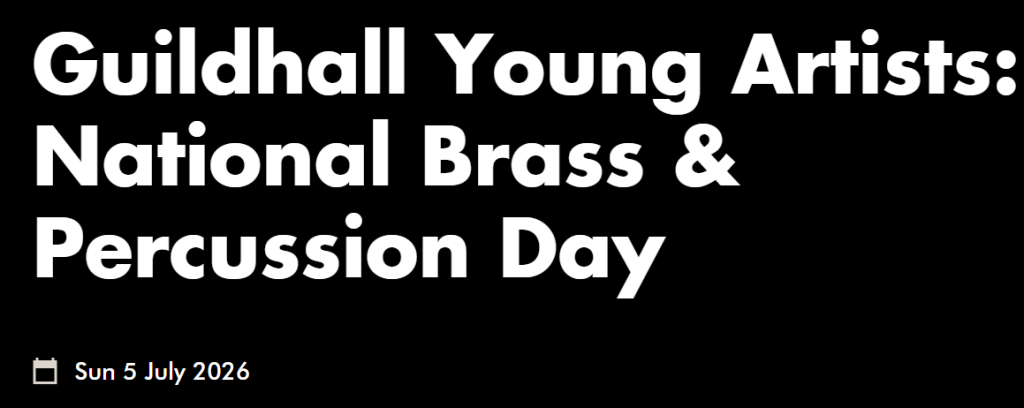
GYA National Brass & Percussion Day Date: Sunday 5 July Venue: Guildhall School of Music & Drama, Barbican London, EC2Y 8DT Time: 10am–1:30pm (doors open from 9.30am) (Includes a 1pm play through to friends and family). Age: 9 -18 Approx standard: Suitable for players ABRSM Grade 3 – 6
About GYA – National Brass & Percussion Day
This play day is for instrumentalists playing any brass or percussion instrument. It is led by our lively team of inspiring Guildhall tutors and special guests to support and develop your skills in a fun and friendly environment.
What can I expect? Play alongside your friends and meet new ones, enjoy some amazing music, experience different styles of music and get top tips whilst having fun.
Course Fee: £30 per student £20 if you are currently attending a Centre for Young Musicians or Guildhall Young Artist centre/ensemble. £0 or pay what you can and come along (please enter any amount you are happy to pay)
The Chitty trip is next Thursday 21st May (evening). Details on where to meet, what to wear etc. are on Satchel for those with a place on the trip.
Interview with Emma in Year 13
Emma has been a huge part of the music department since she started in year 7!
List all the music clubs you’ve been involved with since you started at Hayes.
Choir, Jamsesh, Concert Band, Musical Theatre, Jazz ensemble, Jazz band, Brass quintet/quartet, ukulele band
Favourite music/songs that you’ve performed at school over the years.
I have quite a few favourites, mostly some of the first things I ever played, like African Symphony in concert band, Jerico in choir, and then also One Day More in Musical Theatre. I think my favourite pieces though have to be two pieces we played in Brass Quintet, which are an arrangement of Bach’s little future in G minor, and then the Canadian brass arraignment of Putting On The Ritz for brass quintet.
Best memories of your time in the music department?
The best parts for me have been the composing, arranging and conducting, because it’s kind of surreal playing that big of a part in an ensemble/concert as a whole, and then to also see people’s reaction to it. Of course playing has been a joy too but nothing quite compares to the action of others to a piece you have written. However, the most memorable parts of the music department are things like trying to catch the practice room keys when Mr Brett throws them at you, people being ‘knighted’ with a foam sword before a concert, and trying in any way possible to not overheat in the school hall on concert day. The little things are what make it home for me.
What are your plans once you leave Hayes?
I am attending the Royal College of Music next year, doing a 4 year Bachelors of Music, which basically means practicing for another 4 years so I can go and then play in a London orchestra.
Opportunity for brass and percussion players grade 3-6
GYA National Brass & Percussion DayDate: Sunday 5 July Venue: Guildhall School of Music & Drama, Barbican London, EC2Y 8DT Time: 10am–1:30pm (doors open from 9.30am) (Includes a 1pm play through to friends and family). Age: 9 -18 Approx standard: Suitable for players ABRSM Grade 3 – 6
About GYA – National Brass & Percussion Day
This play day is for instrumentalists playing any brass or percussion instrument. It is led by our lively team of inspiring Guildhall tutors and special guests to support and develop your skills in a fun and friendly environment.
What can I expect? Play alongside your friends and meet new ones, enjoy some amazing music, experience different styles of music and get top tips whilst having fun.
Course Fee: £30 per student £20 if you are currently attending a Centre for Young Musicians or Guildhall Young Artist centre/ensemble. £0 or pay what you can and come along (please enter any amount you are happy to pay)
The Chitty trip meeting is next Wednesday, 13th May in CGG at 3:05-3:15pm. There will be a reminder on Satchel for those of you who are coming on this trip.
Congratulations are in order again!
A huge well done to Emma in year 13 who has been selected to perform in the Junior Guildhall Lutine Prize Final in June.