Here are today’s Fisk Jubilee Singers performing Steal Away to Jesus, live at the Grand Ole Opry House in Nashville, Tennessee in 2019. Steal Away to Jesus is a favourite of the Hayes School Choir too.
Spirituals are a genre of songs originating in the USA and created by African Americans. Spirituals were originally an oral tradition that shared Christian values while also describing the hardships of slavery.Although spirituals were originally unaccompanied monophonic (unison) songs, they developed into harmonised choral arrangements over time.
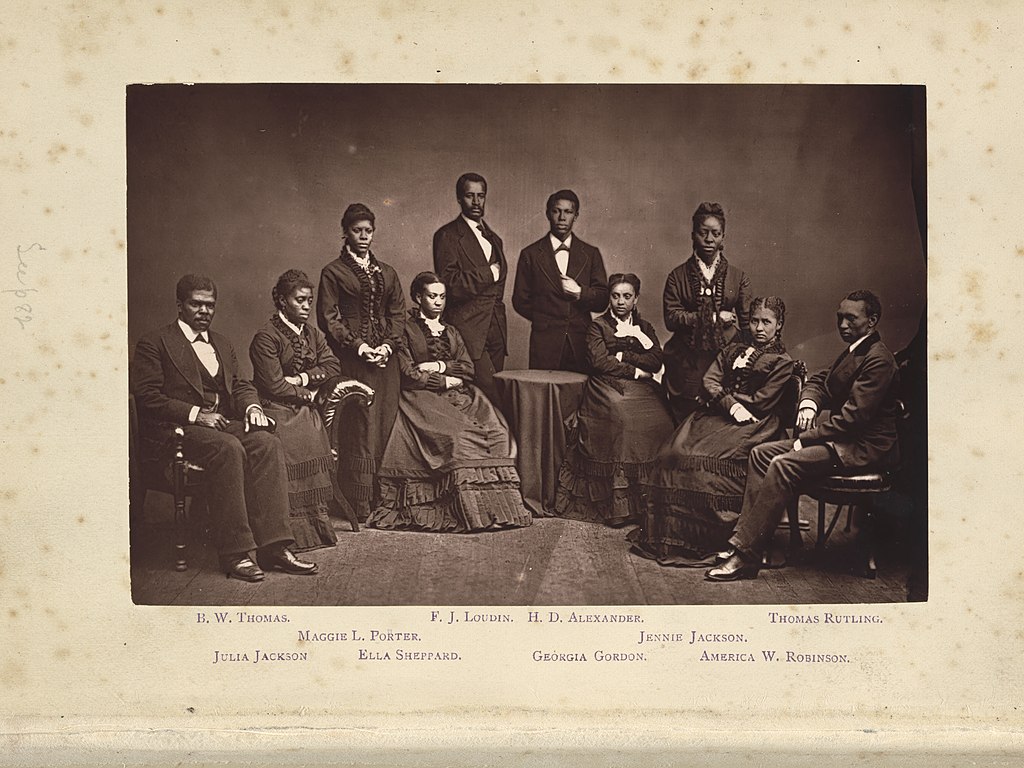
The Fisk Jubilee Singers are an African-American a cappellaensemble, consisting of students at Fisk University. Vocal performances without instrumental accompaniment are called a cappella. The first group was organised in 1871 to tour and raise funds for the college. “Swing Low, Sweet Chariot” is an another famous spiritual. The earliest known recording of this spiritual was in 1909.
A clip from the 1945 film “Battle for Music” which told the story of the London Philharmonic Orchestra’s trials and tribulations during World War II. Malcolm Sargent conducts Delius’s “La Calinda” for an audience of school children.
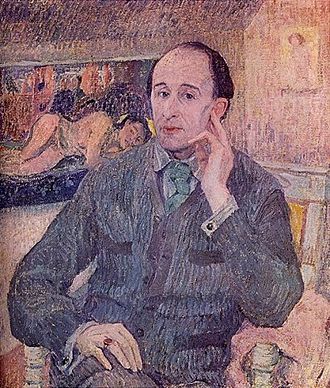
Frederick Delius(1862 – 1934) was an English composer. He was born in Bradford, West Yorkshire to a wealthy business family but he resisted attempts to recruit him into the family wool business. He was sent to Florida in the United States in 1884 to manage an orange plantation. He soon neglected his managerial duties, instead dreaming of becoming a professional composer and in 1886 returned to Europe. Having been influenced by African-American music during his short stay in Florida, he began composing. He incorporated the African-American spirituals that he had heard being sung, as well as other non-European musical sounds into his opera Koanga which was first performed in 1904. The story centres on Creole life and features an African prince and voodoo priest who have been enslaved on a Mississippi plantation. Koanga is considered to be the first opera in the European tradition to base much of its melodic material on African-American music. Today’s melody, La Calinda, is the most famous musical passage from the opera.
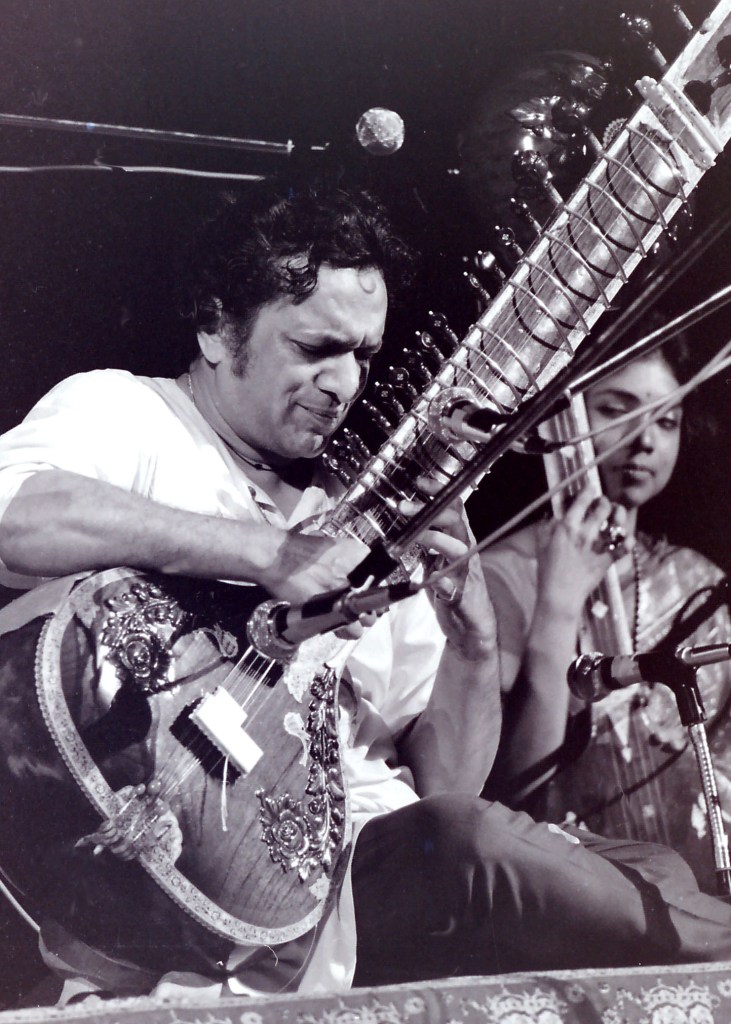
Yesterday we heard Ravi Shankar’s music combining Indian and Western classical instrumentation. Today we will hear how Ravi inspired many other musicians, including George Harrison from The Beatles.
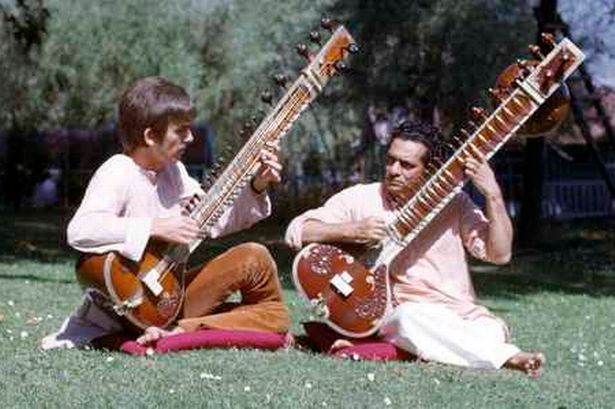
George Harrison playing the sitar with Ravi Shankar in the 1960s
“Norwegian Wood (This Bird Has Flown)” is a song by The Beatles from their 1965 album Rubber Soul. The track features a sitar part, played by lead guitarist George Harrison. This was the first appearance of the Indian string instrument on a Western rock recording. The song also helped elevate Ravi Shankar and Indian classical music to mainstream popularity in the West, and the song is recognised as a key work in the early evolution of world music.
Many other rock and pop artists, including the Rolling Stones went on to integrate elements of Indian classical music into their musical approach. This became know as raga rock.
Here is another example of raga rock from the 1960s:
Indian musician and composer Ravi Shankar wrote this piece in 1980. The work is subtitled Raga Mala (“A Garland of Ragas”), presenting 29 ragas in four big movements. A raga forms the melody in Indian classical music. Ragas are patterns of notes but are different to a scale or melody in Western music. They are really a combination of both. Each rag:
has a particular ascending and descending pattern
is associated with a different time of the day, season, mood or special occasion
Each raga will have some notes that are more important than others. Ragas also contain short musical phrases. The raga is traditionally played on a sitar.
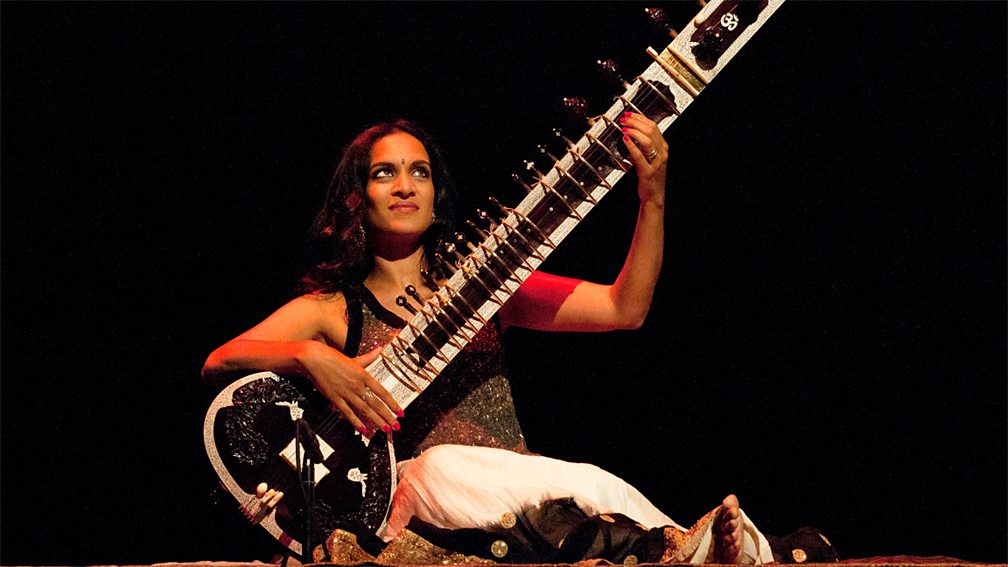
The sitar
Is a long-necked plucked string instrument with movable frets and a gourd resonator.
Is played by plucking the strings with a metal plectrum.
Has six or seven main strings and twelve or more sympathetic strings running underneath them, which resonate in sympathy.
Has a characteristic shimmering sound.
Listen out for the sitar player improvising using the notes of the raga in many different ways:
playing pitch bends (done by physically bending the string as it is played)
playing fast scales or runs
playing glissandos (slides)
ornamentation (fast notes that are added to a melody to embellish them)
Anoushka Shankar (Ravi’s daughter) playing the sitar
This piece was written with the following instrumentation:
Claude Debussy was a French composer (1862-1918). He was among the most influential composers of the late 19th and early 20th centuries.
Suite bergamasque is one of Debussy’s most famous piano suites. It was first composed by Debussy around 1890, at the age of 28, but was significantly revised just before its publication in 1905. The third and most famous movement of Suite bergamasque is “Clair de lune”, written in the key of D♭ major. Its time signature is 98 and the music is marked andante très expressif meaning at a walking speed; very expressive. Listen out for the homophonic texture. This literally means ”sounding together”. The texture of a piece can be described as homophonic when several parts move together (e.g. in the same rhythm). A good example of this can be heard around 1 min 36.
Ella Fitzgerald (1917-1996) was an American jazz singer. She was sometimes referred to as the First Lady of Song, Queen of Jazz, and Lady Ella. She is considered by many to be one of the greatest scatsingers in jazz history. Scat singing is vocal improvisation with wordless or nonsense syllables or without words at all. In scat singing, the singer improvises melodies and rhythms using the voice as an instrument. Notice the fast tempo, typical of jazz styles such as such as swing and bebop.
Scat emerged in jazz in the early 1900s when singers in New Orleans began to imitate the first jazz instrumentalists. Legend has it that Louis Armstrong, the great trumpeter, vocalist and pioneer of improvisation in jazz, became the first to record scat in the 1926 track “Heebie Jeebies”, when he forgot the words during a recording session. Louis Armstrong has already featured on the music blog back in April: https://wordpress.com/block-editor/post/hayesmusic.blog/977
El Tanbura is an Egyptian band, formed in the 1980s. El Tanbura are one of Egypt’s leading folk bands, and they show pride in their country’s history of resistance through their protest songs. El Tanbura is a collective of veteran Egyptian master musicians, singers, fishermen and philosophers based in Port Said. For almost two decades they have been the custodians of some of Egypt’s oldest folk melodies. Their performances are based on traditional Egyptian music, featuring the simsimiyya instrument.
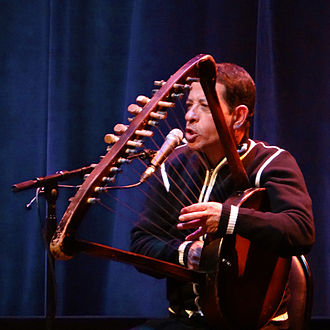
The simsimiyya is a traditional plucked lyre used in Egypt, Jordan and Yemen. In Egypt it is traditionally used to accompany a dance called bambutiyya.
A simsimiyya being played
At the heart of the group’s music is the spirit of celebration, of magic, of dance, and reverie – and the simsimiyya.
This song was from her second and final studio album, Back to Black (2006)
Amy Winehouse (14 September 1983 – 23 July 2011) was an English singer and songwriter. She was known for her deep, expressive contralto vocals and her eclectic mix of musical genres, including soul, rhythm and blues and jazz. Contralto is a lower female voice. You may remember learning about the different voice types in the first home-learning task you completed for music.
Amy composed the lyrics and melody for this song and combined these with chord progressions and melodies from Marvin Gaye and Tammi Terrell’s 1967 hit song Ain’t No Mountain High Enough. Recreating musical ideas from an existing song in this way is called interpolation. Listen to the 1967 song here and see if you can hear the musical similarities.
Bob Marley and The Wailers performing ‘Stir it up’ live in 1973. The song was written by Bob Marley in 1967 and it was Marley’s first successful song outside Jamaica.
Bob Marley (1945-1981) was an Jamaican singer, songwriter and musician. He was one of the pioneers of reggae and his contributions to music increased the visibility of Jamaican music worldwide, and made him a global figure in popular culture for over a decade. Reggae is a music genre that developed from a mixture of calypso, jazz and rhythm ‘n’ blues (R’n’B) in Jamaica in the late 1960s. It is characterised by:
electric guitars and drums line-up
amplified bass guitar riffs – short repeated patterns
an association with Rastafarianism – a religious movement worshipping Haile Selassie
a rhythm in 4/4 with emphasis on the missing beat
use of repeated offbeat quavers
use of dub remixing techniques where effects such as delay are added
simple chord sequences
verse-chorus form
political themes in the lyrics
Reggae lyrics are often about struggle, but the music has a laid-back feel. The drums and bass guitar create the rhythm. Listen out for the strong accents on the second and fourth beats of the bar.
Fanfare for the Common Man is a musical work composed in 1942 by the American composer Aaron Copland.
A fanfare is a piece of music usually introducing an event or another piece of music. They are most often short, rhythmic, exciting and often loud. Fanfares can be scored for any instruments, but instruments which excel at loud and percussive sounds, such as organ, brass and percussion are most effective.
This fanfare was originally written for the following instruments:
four horns
three trumpets
three trombones
tuba
timpani
tam-tam (similar to a gong)
bass drum
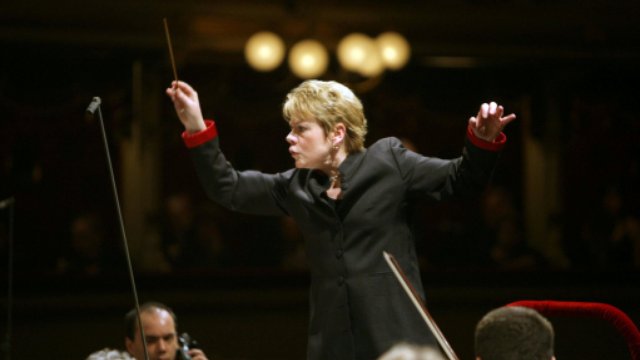
The recording above was conducted by Marin Alsop. Marin is an American conductor and violinist. On the 7th September 2013, she became the first female conductor of the Last Night of the Proms concert at Royal Albert Hall.
Marin Alsop is an acclaimed conductor. She has conducted most of the leading U.S. orchestras and many of the most distinguished European orchestras.




 Hayes Music blog