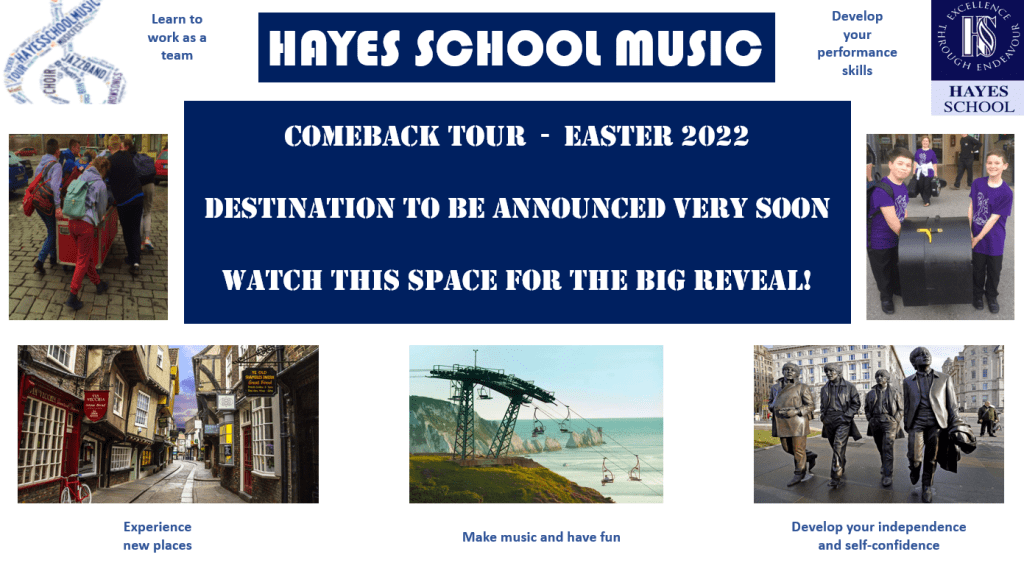
Get your buckets and spades ready, we’re off to the Isle of Wight for music tour in 2022. We are SO excited to be off on tour again – it’s going to be a great trip so please get your deposit in asap to reserve your place. Your parents/guardians will soon receive a tour letter with all the details, but let us know if you are a new member of choir, musical theatre or concert band and would like to come on tour so we can get a letter to you asap.
Please speak to Miss Werry if you have any questions.
More details to follow. Watch this space!
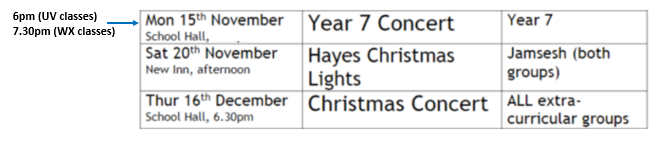
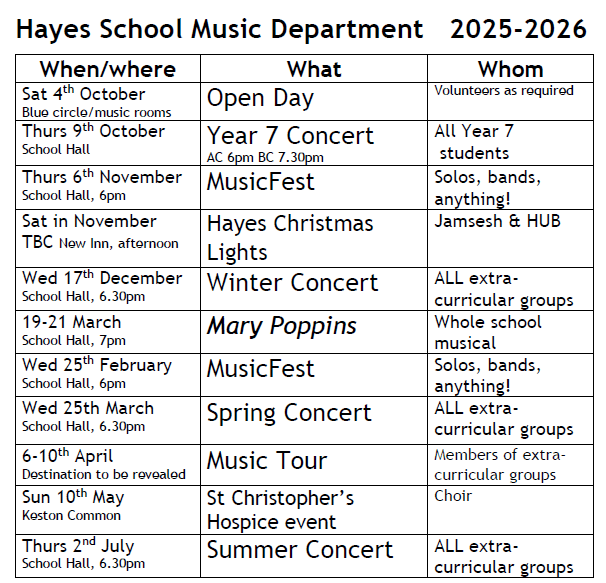
Concerts coming up:
Please make sure you attend all rehearsals this term and remember to let the organiser know if you are unable to attend.
Choir & Musical Theatre singers: click here to hear this term’s songs and practise your part.
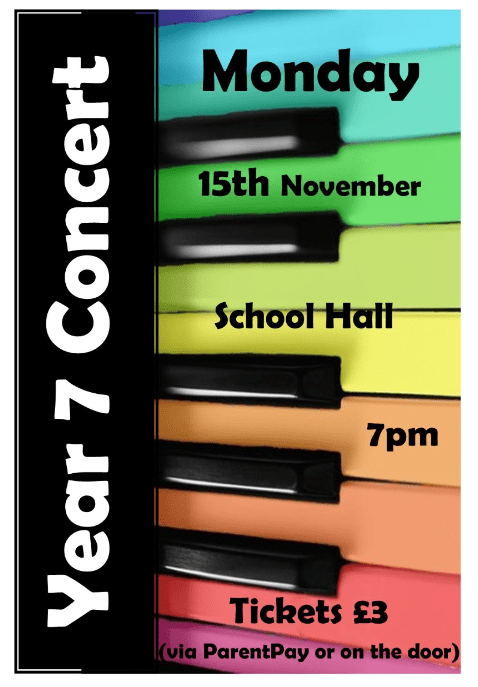
Year 7 Concert – Monday 15th November
Which music class will win the song contest?
Keep practising your class song. You’ll need to know the lyrics off by heart.
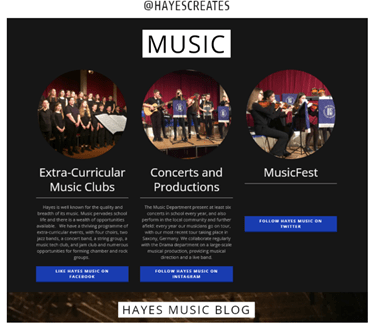
MusicFest
Well done again to all those who took part in October’s MusicFest. The next Music Fest is Wednesday 9th February2022 so get planning!
Get your buckets and spades ready, we’re off to the Isle of Wight for music tour in 2022.
More information to follow on cost, excursions and concerts, as well as how to reserve your place.
We are really looking forward to taking you all on music tour again. In the meantime, here’s the video from our last tour back in 2019. Enjoy!
Last night’s MusicFest
What a fab concert! Well done again to everyone who took part (performers, tech team and stagehands). You are all a credit to Hayes School.
Year 7 Concert
Which music class will win the song contest?
Keep practising your class song during half term. You’ll need to know the lyrics off by heart.
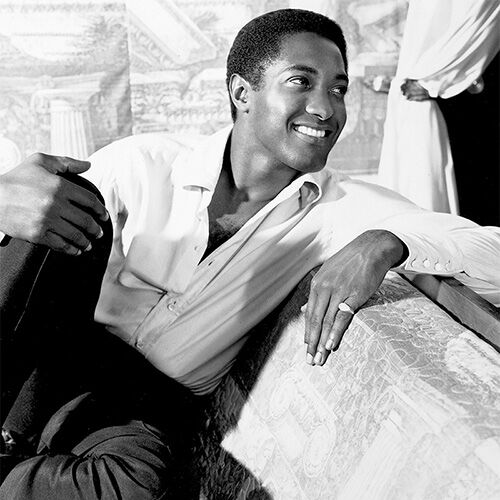
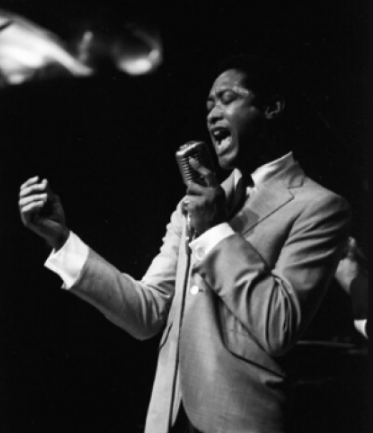
Sam Cook (1931 – 1964) was an American singer, songwriter, and entrepreneur. Cooke is commonly referred to as the “King of Soul” for his distinctive vocals. He was a central part of the Civil Rights Movement, using his influence and popularity with the white and black population to campaign for racial equality.
1)
The Oxted and Limpsfield Music Society are delighted to announce their first concert of the 2021-22 Season:
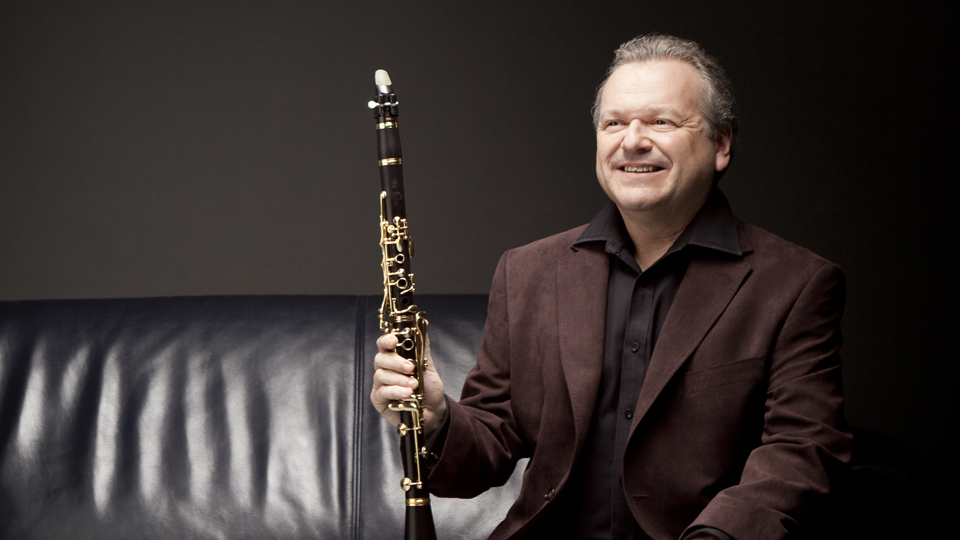
Michael Collins, Clarinet, with Michael McHale, Piano
Michael Collins MBE is one of the most complete musicians of his generation. He received the Royal Philharmonic Society’s Instrumentalist of the Year Award in 2007. With a continuing, distinguished career as a clarinet soloist, he has in recent years also become highly regarded as a conductor. He is Artistic Director in Residence of the London Mozart Players, and from 2010 – 2018 he was the Principal Conductor of the City of London Sinfonia. Recent highlights have included worldwide appearances as a soloist and a conductor. In 2017 Michael was awarded a Grammy for his disc ‘Shakespeare Songs’ with Ian Bostridge and Sir Antonio Pappano. Michael is in great demand as a chamber musician, performing regularly with Sir András Schiff, Martha Argerich, Stephen Hough, Joshua Bell and Steven Isserlis. He has appeared at prestigious events such as the Proms, the Aldeburgh Festival, Edinburgh Festival, City of London Festival, Cheltenham International Festival and the Bath Mozartfest. During the 2019-20 season he was Artist in Residence at the Wigmore Hall which included concerts with Stephen Hough, as well as tonight’s pianist, Michael McHale.
2)
Click here to see a list of FREE recitals on Saturdays at St George’s Parish Church, Beckenham. Entry is free with a retiring collection to support the music of St. George’s Parish Church.
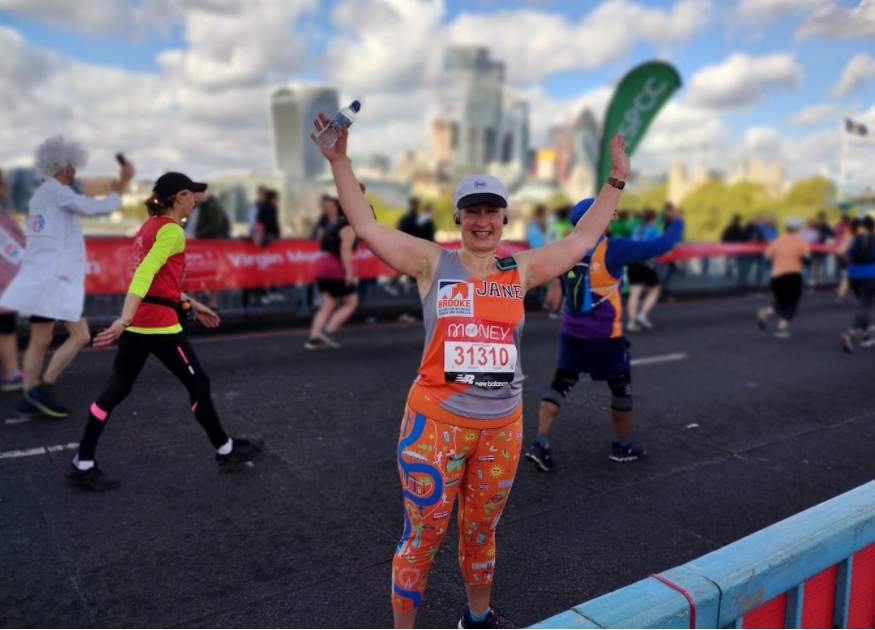
Firstly, we need to say a huge WELL DONE to Miss Werry who completed the London Marathon last Sunday. 26.2 MILES!!! Not only that, she smashed her fundraising target for The Brooke. The Brooke is an international charity that protects and improves the lives of horses, donkeys and mules which give people in the developing world the opportunity to work their way out of poverty. Read about their work here.
New DeadlinE: Monday 11th October by 5pm
Please get your entries in for MusicFest by 5pm on Monday 11th October using this form.
Students in any year group are welcome to perform – it doesn’t matter if this is your first performance or your thousandth! All communication with performers will be done using your school email address, so be prepared to respond to emails once you’ve put your entry in.
If you want Miss W to play piano for your piece, please give her the sheet music ASAP if you haven’t already (and organise a run through).
All year 7s need to be practising their class song at home, as well as learning the lyrics off by heart in preparation for the Year 7 Concert. Your teacher will have also spoken to the class about auditions to choose the class soloist. Please speak to your music teacher if you have any questions.
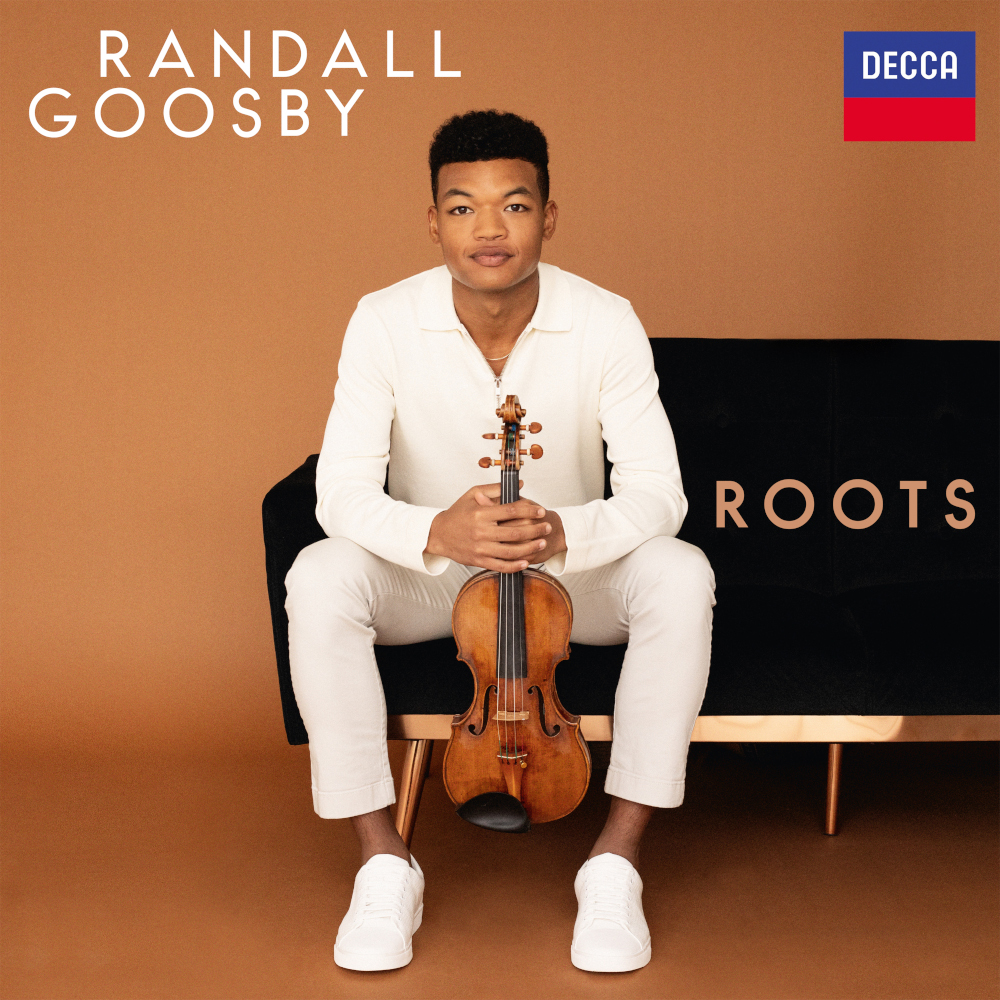
In June 2021, rising star violinist Randall Goosby released Roots, an exploration of the music written by Black composers and inspired by Black American culture. The album is a homage to the pioneering musicians that paved the way for Goosby and his generation of young artists, and looks forward to the future as well.
Goosby says, “I am so grateful for the opportunity to share this album during such a pivotal moment in history. It has been a year of division and isolation for so many – I hope this music will inspire not only the kind of curiosity and creativity that brings people together, but also the reflection, understanding and compassion we so desperately need moving forward.”
“Many of these African-American composers – William Grant Still, Florence Price, Coleridge-Taylor Perkinson – had to navigate society at a time when racism, prejudice and segregation were commonplace. Today, artists like myself, and other young artists of colour, enjoy more of a sense of freedom and confidence in pursuing a career in classical music.”
Goosby’s sparkling enthusiasm for the violin seeks to show young people that music can inspire regardless of background, and with the release of Roots, he continues to recognise the immense impact of the work done by Black and female composers in the last century. He says, “If it weren’t for these composers, these artists and this music, I wouldn’t be able to do what I’m doing today. This recording is a tribute to their lives and experiences, and their dedication to creating this art that we all love.”
Michael Collins MBE is one of the most complete musicians of his generation. He received the Royal Philharmonic Society’s Instrumentalist of the Year Award in 2007. With a continuing, distinguished career as a clarinet soloist, he has in recent years also become highly regarded as a conductor. He is Artistic Director in Residence of the London Mozart Players, and from 2010 – 2018 he was the Principal Conductor of the City of London Sinfonia. Recent highlights have included worldwide appearances as a soloist and a conductor. In 2017 Michael was awarded a Grammy for his disc ‘Shakespeare Songs’ with Ian Bostridge and Sir Antonio Pappano. Michael is in great demand as a chamber musician, performing regularly with Sir András Schiff, Martha Argerich, Stephen Hough, Joshua Bell and Steven Isserlis. He has appeared at prestigious events such as the Proms, the Aldeburgh Festival, Edinburgh Festival, City of London Festival, Cheltenham International Festival and the Bath Mozartfest. During the 2019-20 season he was Artist in Residence at the Wigmore Hall which included concerts with Stephen Hough, as well as tonight’s pianist, Michael McHale.
2)
Click here to see a list of FREE recitals on Saturdays at St George’s Parish Church, Beckenham. Entry is free with a retiring collection to support the music of St. George’s Parish Church.
And finally …
Try out Google’s interactive experiment ‘Paint with Music’ by clicking here.
(Warning: This has the potential to be highly addictive!)
There are only 1.5 weeks to go until our first concert of the year! MusicFests are informal concerts where students from any year group can perform pieces of their own choice to a friendly and supportive audience. We always have a huge range of music, from students’ very first public performance to students who are already hugely experienced musicians. We have all styles of music from classical to rock to musical theatre and students’ own compositions. There are solos, duets and groups.
Here is the video from a previous MusicFest so you can get a flavour of what it’s like:
Please get your entries in for MusicFest by 5pm on Friday 8th October using this form.
Students in any year group are welcome to perform – it doesn’t matter if this is your first performance or your thousandth! All communication with performers will be done using your school email address, so be prepared to respond to emails once you’ve put your entry in.
If you want Miss W to play piano for your piece, please give her the sheet music ASAP if you haven’t already (and organise a run through).
Michael Collins MBE is one of the most complete musicians of his generation. He received the Royal Philharmonic Society’s Instrumentalist of the Year Award in 2007. With a continuing, distinguished career as a clarinet soloist, he has in recent years also become highly regarded as a conductor. He is Artistic Director in Residence of the London Mozart Players, and from 2010 – 2018 he was the Principal Conductor of the City of London Sinfonia. Recent highlights have included worldwide appearances as a soloist and a conductor. In 2017 Michael was awarded a Grammy for his disc ‘Shakespeare Songs’ with Ian Bostridge and Sir Antonio Pappano. Michael is in great demand as a chamber musician, performing regularly with Sir András Schiff, Martha Argerich, Stephen Hough, Joshua Bell and Steven Isserlis. He has appeared at prestigious events such as the Proms, the Aldeburgh Festival, Edinburgh Festival, City of London Festival, Cheltenham International Festival and the Bath Mozartfest. During the 2019-20 season he was Artist in Residence at the Wigmore Hall which included concerts with Stephen Hough, as well as tonight’s pianist, Michael McHale.
2)
Click here to see a list of free recitals on Saturdays at St George’s Parish Church, Beckenham.
There are only 2.5 weeks to go until our first concert of the year! MusicFests are informal concerts where students from any year group can perform pieces of their own choice to a friendly and supportive audience. We always have a huge range of music, from students’ very first public performance to students who are already hugely experienced musicians. We have all styles of music from classical to rock to musical theatre and students’ own compositions. There are solos, duets and groups.
Here is the video from a previous MusicFest so you can get a flavour of what it’s like:
Please get your entries in for MusicFest by 5pm on Friday 8th October using this form.
Students in any year group are welcome to perform – it doesn’t matter if this is your first performance or your thousandth! All communication with performers will be done using your school email address, so be prepared to respond to emails once you’ve put your entry in.
If you want Miss W to play piano for your piece, please give her the sheet music ASAP if you haven’t already (and organise a run through).
Fab FREE local concert to go to
The Oxted and Limpsfield Music Society are delighted to announce their first concert of the 2021-22 Season:
Michael Collins, Clarinet, with Michael McHale, Piano
Michael Collins MBE is one of the most complete musicians of his generation. He received the Royal Philharmonic Society’s Instrumentalist of the Year Award in 2007. With a continuing, distinguished career as a clarinet soloist, he has in recent years also become highly regarded as a conductor. He is Artistic Director in Residence of the London Mozart Players, and from 2010 – 2018 he was the Principal Conductor of the City of London Sinfonia. Recent highlights have included worldwide appearances as a soloist and a conductor. In 2017 Michael was awarded a Grammy for his disc ‘Shakespeare Songs’ with Ian Bostridge and Sir Antonio Pappano. Michael is in great demand as a chamber musician, performing regularly with Sir András Schiff, Martha Argerich, Stephen Hough, Joshua Bell and Steven Isserlis. He has appeared at prestigious events such as the Proms, the Aldeburgh Festival, Edinburgh Festival, City of London Festival, Cheltenham International Festival and the Bath Mozartfest. During the 2019-20 season he was Artist in Residence at the Wigmore Hall which included concerts with Stephen Hough, as well as tonight’s pianist, Michael McHale.
Another local concert:
‘A Prom at Crystal Palace’
SATURDAY 25 SEPTEMBER, 6:00 PM
London Mozart Players Ruth Rogers (leader) Christina Johnston (soprano) The Central Band of the Royal British Legion David Cole (conductor)
The bunting is up! After 18 months of performing under Covid restrictions, Crystal Palace’s resident orchestra, the London Mozart Players, is back with a bang! The orchestra kicks off its exciting six-concert SE19 season with a concert packed with the best-loved works in the classical repertoire. In the cherished tradition of the ‘Last Night of the Proms’, St John’s, Upper Norwood, will resound with all your orchestral favourites: Elgar’s ‘Nimrod’ and ‘Pomp and Circumstance March’, Holst’s ‘Jupiter’, Walton’s ‘Crown Imperial’, Vaughan Williams’ ‘Greensleeves’ and much, much more. This magical musical extravaganza has something for everyone.
Ticket prices: Young Person (16-25) £10 Child (under 16) £5
St John the Evangelist Sylvan Road Upper Norwood London, SE19 2RX
Music book recommendation
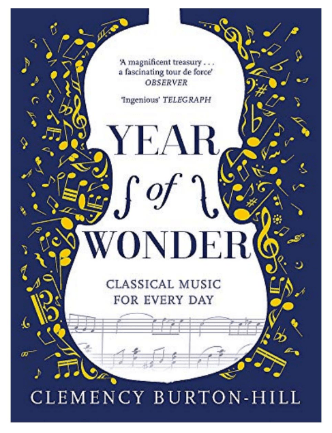
Year of Wonder: Classical Music for Every Day by Clemency Burton-Hill
Waterstones.com synopsis:
The only requirements for enjoying classical music are open ears and an open mind.
Classical music for everyone – an inspirational piece of music for every day of the year, celebrating composers from the medieval era to the present day, written by award-winning violinist and BBC Radio 3 presenter Clemency Burton-Hill.
Have you ever heard a piece of music so beautiful it stops you in your tracks? Or wanted to discover more about classical music but had no idea where to begin?
Year of Wonder is a unique celebration of classical music by an author who wants to share its diverse wonders with others and to encourage a love for this genre in all readers, whether complete novices or lifetime enthusiasts.
Clemency chooses one piece of music for each day of the year, with a short explanation about the composer to put it into context, and brings the music alive in a modern and playful way, while also extolling the positive mindfulness element of giving yourself some time every day to listen to something uplifting or beautiful. Thoughtfully curated and expertly researched, this is a book of classical music to keep you company: whoever you are, wherever you’re from.
Playlists are available on most streaming music platforms including Apple Music and Spotify.
It has been fantastic to hear our corridor alive with music again this week.
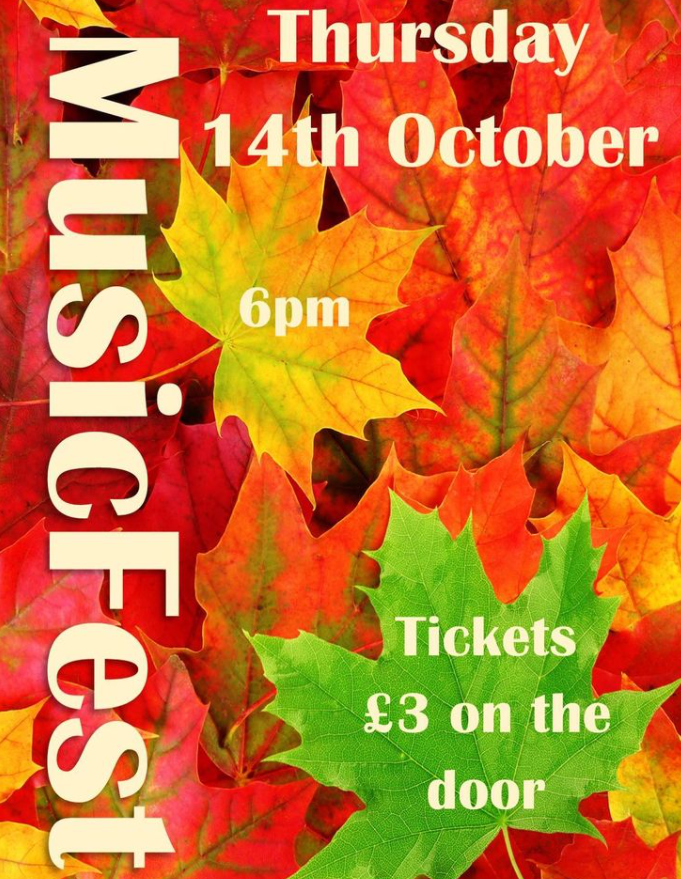
MusicFest is coming! Please note the new date 14th Oct
Our first concert of the year is coming up. MusicFests are informal concerts where students from any year group can perform pieces of their own choice to a friendly and supportive audience. We always have a huge range of music, from students’ very first public performance to students who are already hugely experienced musicians. We have all styles of music from classical to rock to musical theatre and students’ own compositions. There are solos, duets and groups.
Here is the video from a previous MusicFest so you can get a flavour of what it’s like:
Details on how to take part to follow.
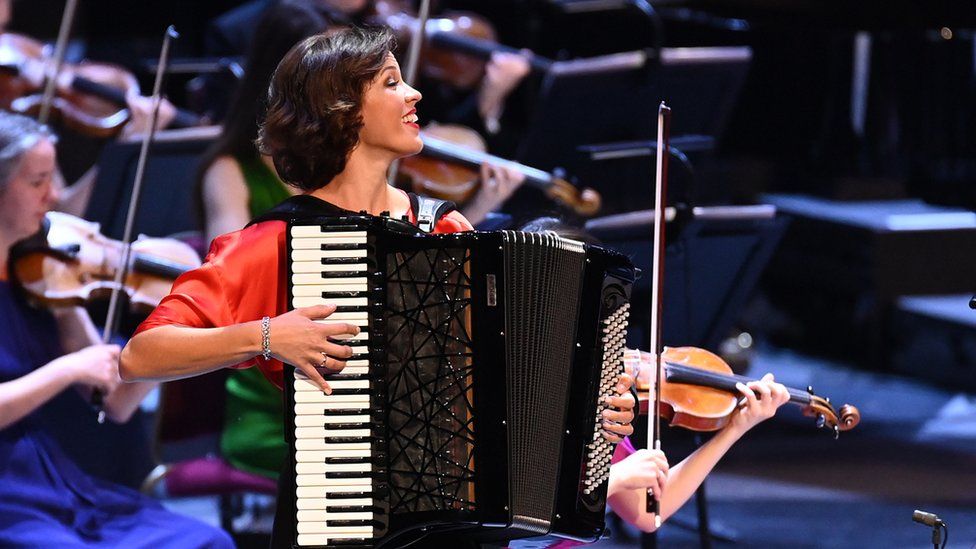
Ksenija Sidorova at the Proms 2021
Enjoy this fab clip of Latvian accordionist Ksenija Sidorova playing a piece called Libertango by Piazzolla arr. John Lenehan. Watch from 14 minutes in.
Music podcast recommendation
Soul Music is a music documentary series on BBC Radio 4 which aims to focus on the emotional impact of famous pieces of music. The works chosen can be anything from classical, popular, jazz or religious.
The programme doesn’t have a presenter, but features a montage of interviews interspersed with clips of the work in question. Each programme usually has three to five contributors who have a personal story connected to the piece of music. One is usually a musicologist, conductor or performer who discusses the background to the work or composer, the other contributors are people who have a personal story connected to the piece.
The nostalgia surrounding our favourite songs isn’t just a recollection of old memories; scientific studies show we remember more from our adolescence and early twenties than any other period of our lives.
The music we listen to during this period has greater lasting impact than songs in later life because of a psychological phenomenon called the reminiscence bump. Click here to find out more.
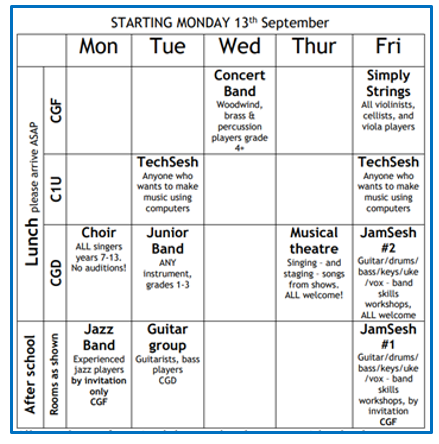
All rehearsals start in the week beginning Monday 13th September and we are so excited! Try out the different activities on offer and BRING YOUR FRIENDS!
Please note that the guitar group has changed time-slot
Calling all clarinet players
Please pop in to CGG or email me (elf) to let me know you play the clarinet. I am hoping to put together a clarinet choir this term. Watch this space … From Mrs Foster
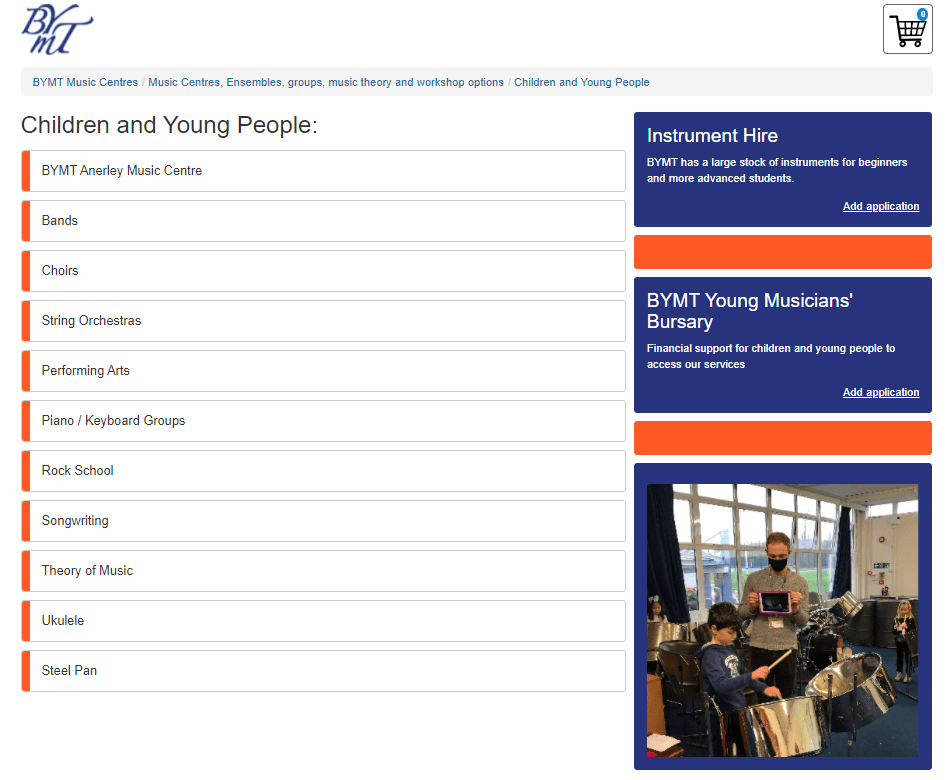
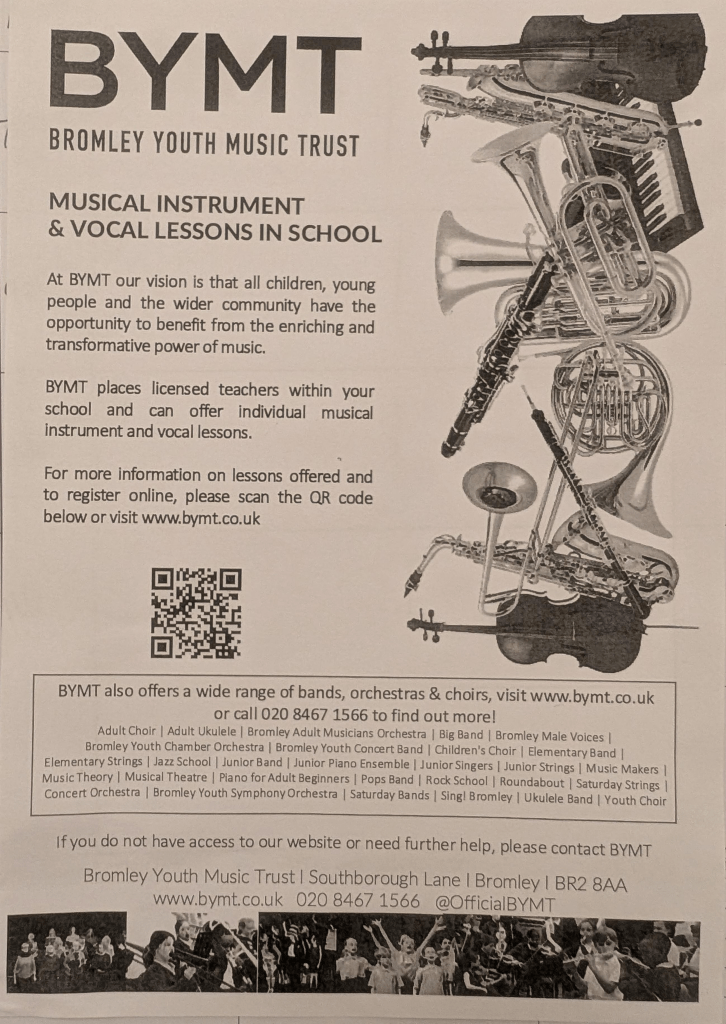
Opportunities at BYMT this term
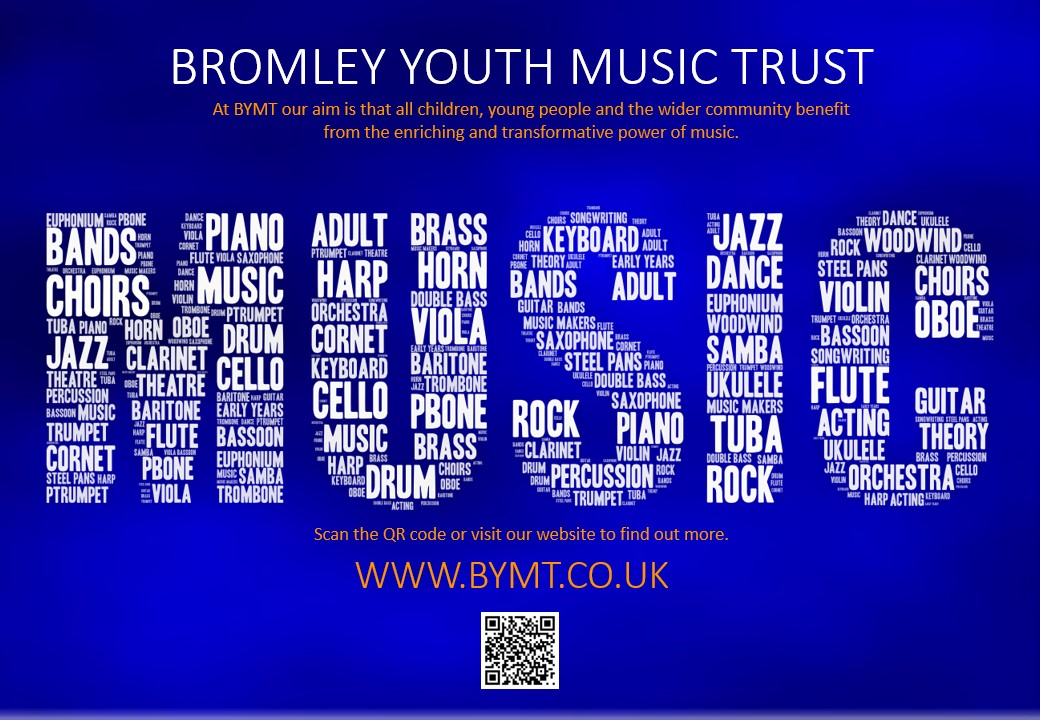
Bromley Youth Music Trust is an independent music service nationally renowned for providing a very high quality, comprehensive and inclusive instrumental and vocal music education to the young people of Bromley and surrounding areas, as well as providing a wide range of performance opportunities. We are very lucky to have this service in Bromley.
Please click on the picture below to find out more about the many opportunities on offer at BYMT this term:
The Music Hub @ BYMT
The Music Hub is a social enterprise musical instrument and supplies business based at BYMT. The Music Hub sells anything and everything that’s music related. They also consider part exchange and have a range of pre-loved instruments for sale.
Please note: A clarinet choir will also be added to the timetable. Please email Mrs Foster (elf) to let me know you play the clarinet and which days/times would work for you.
We are SUPER excited to get started with you all. Let’s make 2021-2022 as musical as possible!
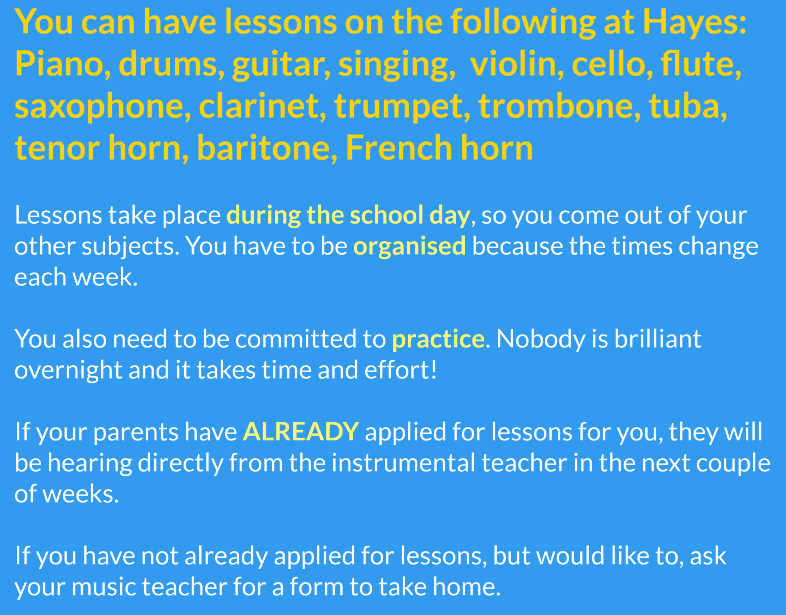
Instrumental and singing lessons @ Hayes:
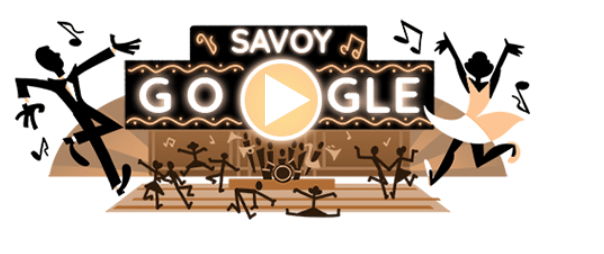
Put your rhythm to the test by trying out this interactive musical Google Doodle celebrating swing dance and the Savoy Ballroom in New York. Click on the link in the previous sentence, and then click on the flashing arrow.
“Summertime” is a song by American hip-hop duo DJ Jazzy Jeff & The Fresh Prince. The duo consisted of rapper Will Smith (the Fresh Prince) and disc jockey Jeff Townes (DJ Jazzy Jeff). The song was released in May 1991 and became their most successful single.
The song samples the 1974 song “Summer Madness” by the American band, Kool & the Gang.
Have a fabulous summer holiday! Maybe do some really lovely musical things – try a new instrument, learn a new piece, or listen to something different. We look forward to hearing all about it next term.